Day 2 / Thursday, June 11, 2026
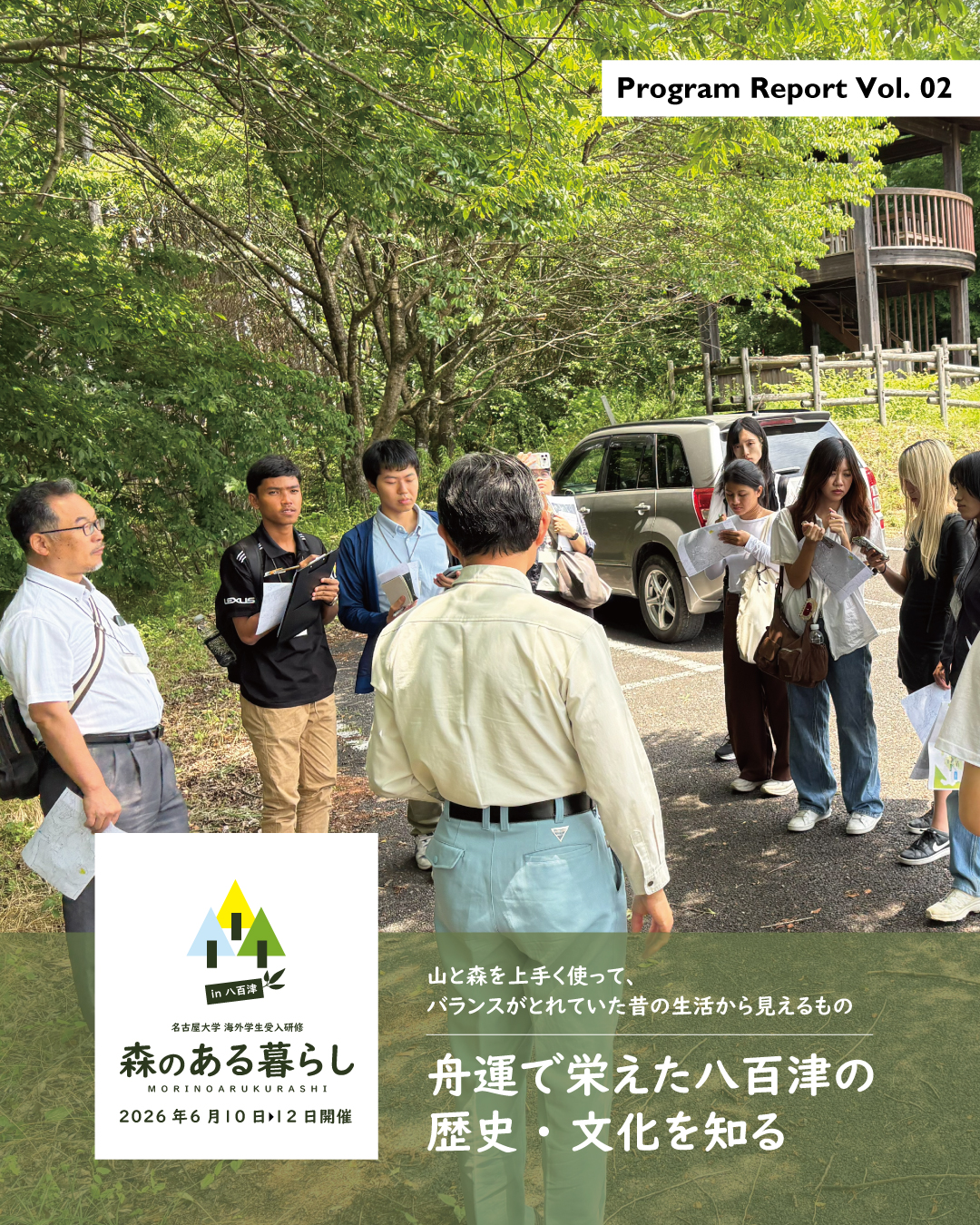
Day 2 featured a program designed to give participants a lived sense of the history and daily life of Yaotsu and the Kiso River basin. In the morning, the group split into two and headed out for walks in different directions.
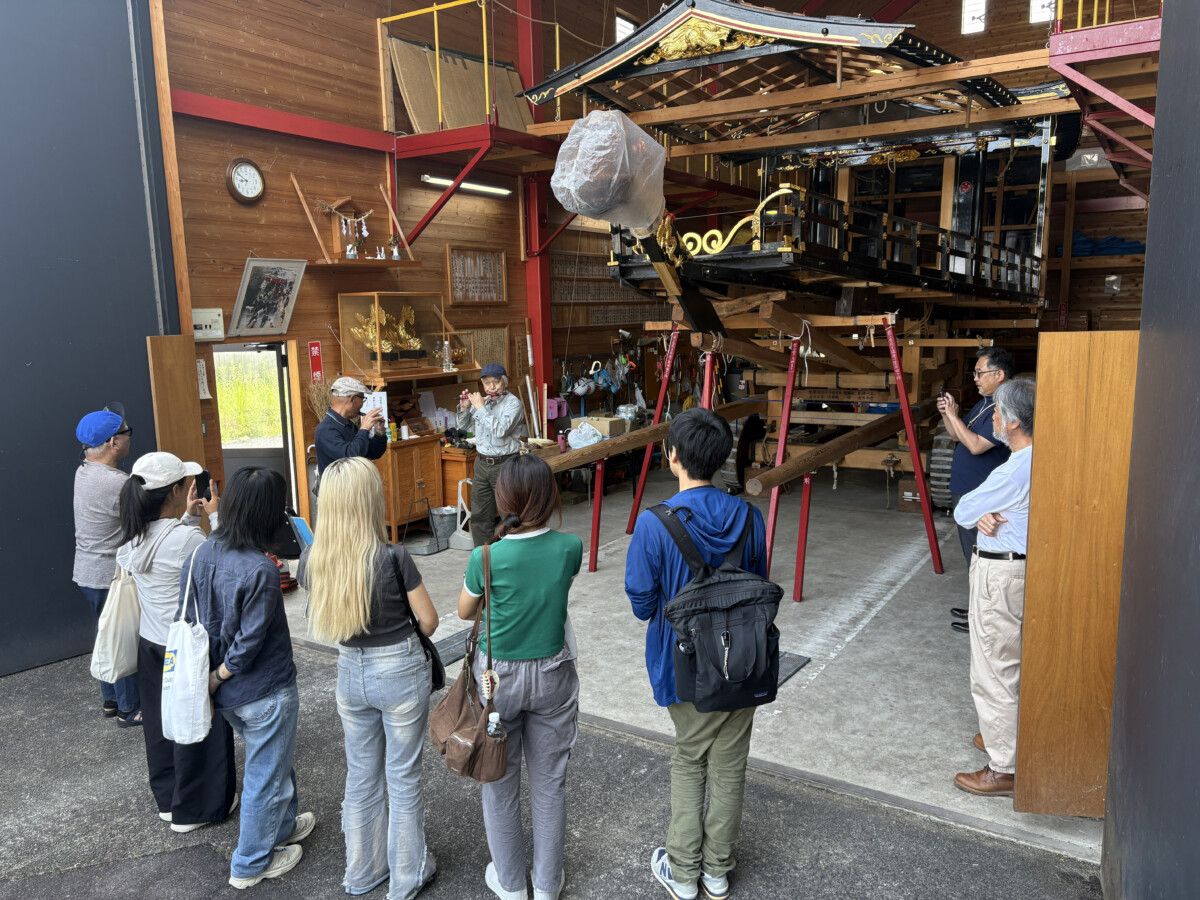
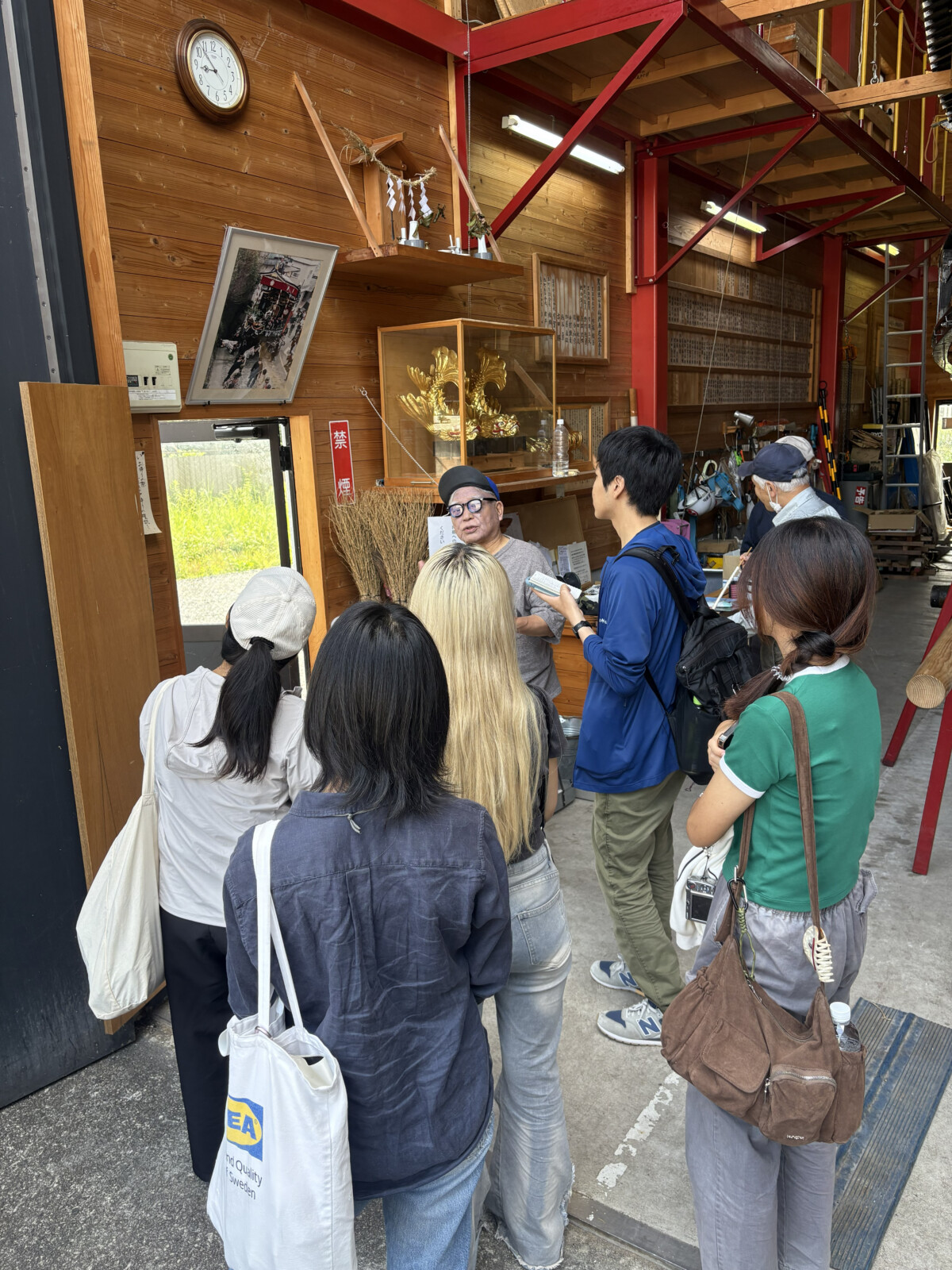
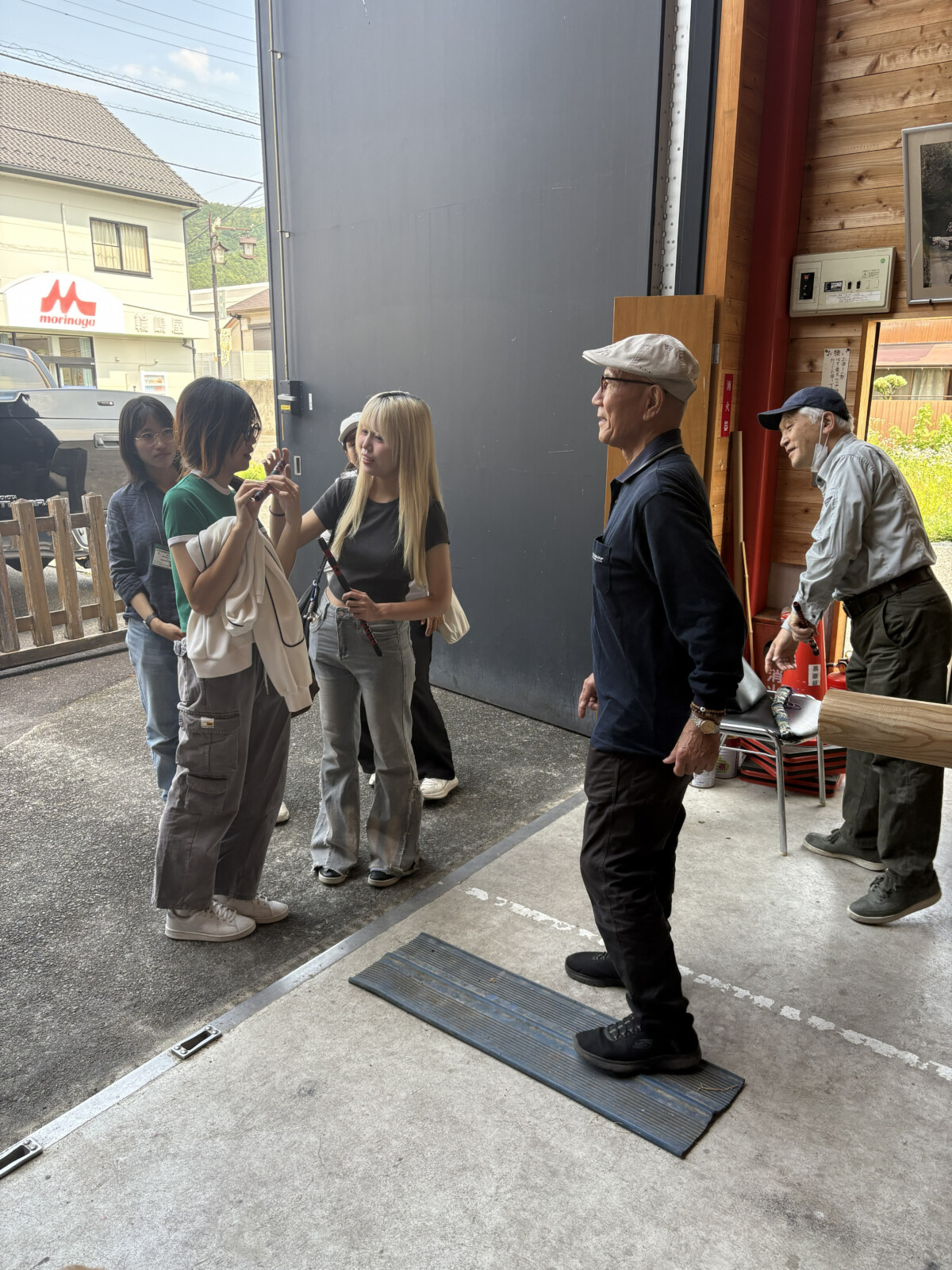
Group A visited the Kurose Danjiri storehouse, Kurose Port, and Honmachi-dōri. Group B explored the river trade hubs in and around Inuyama and Unuma.
To help participants truly feel the distances the timber and goods once traveled downstream from Yaotsu via the Kiso River, the changing character of the river from upper to lower reaches, and the journeys made by the raft workers (ikadashi), one of the two nights was spent in Inuyama.
During the town walk in Yaotsu, local guides with deep knowledge of the area’s history led the group through the story of Yaotsu’s river trade heritage — its festivals, sake and fermented food industries, and the traditional confectionery shops lining Honmachi-dōri — offering a window into the lives of people in the past and how the town has changed over time.
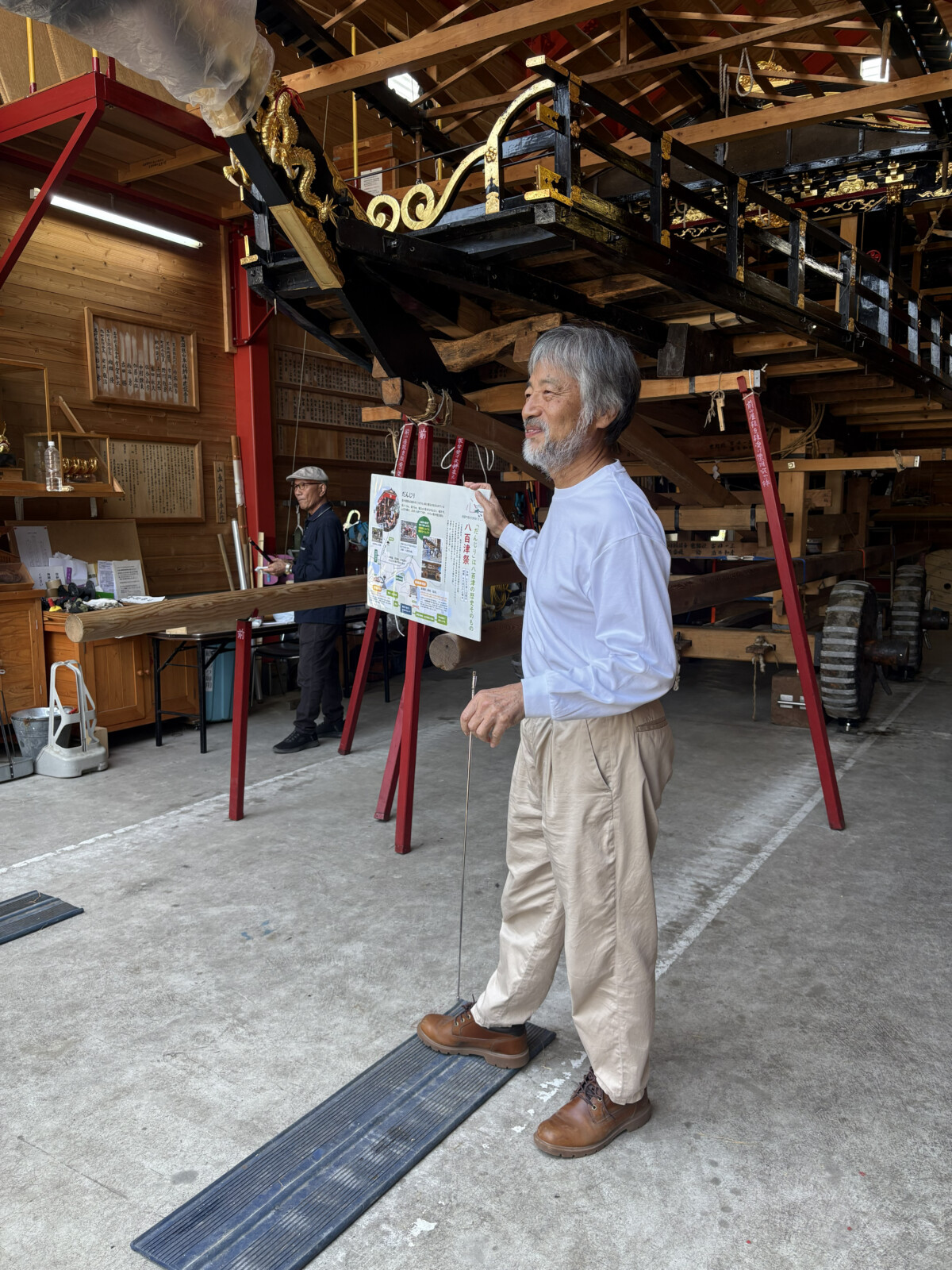

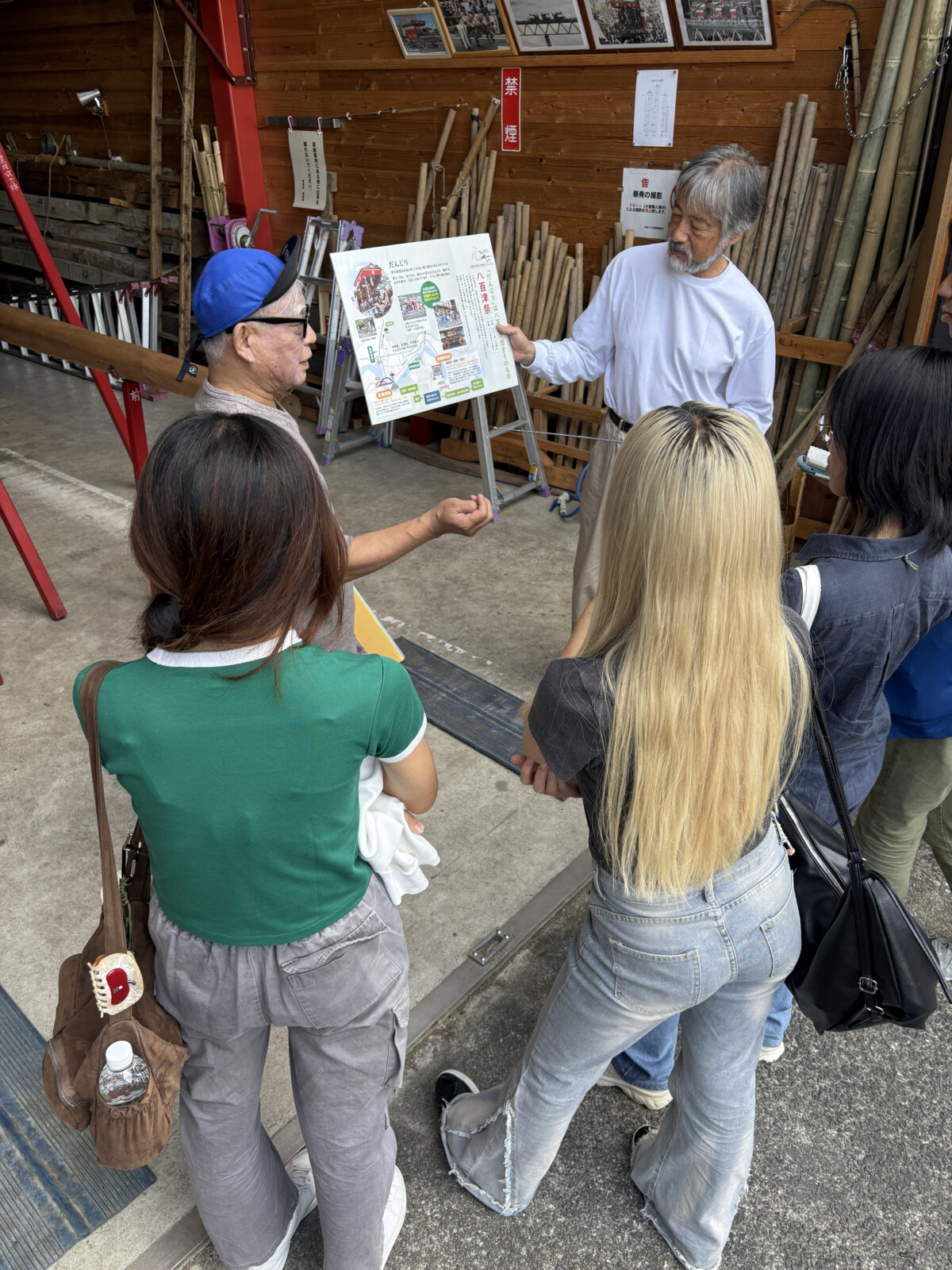
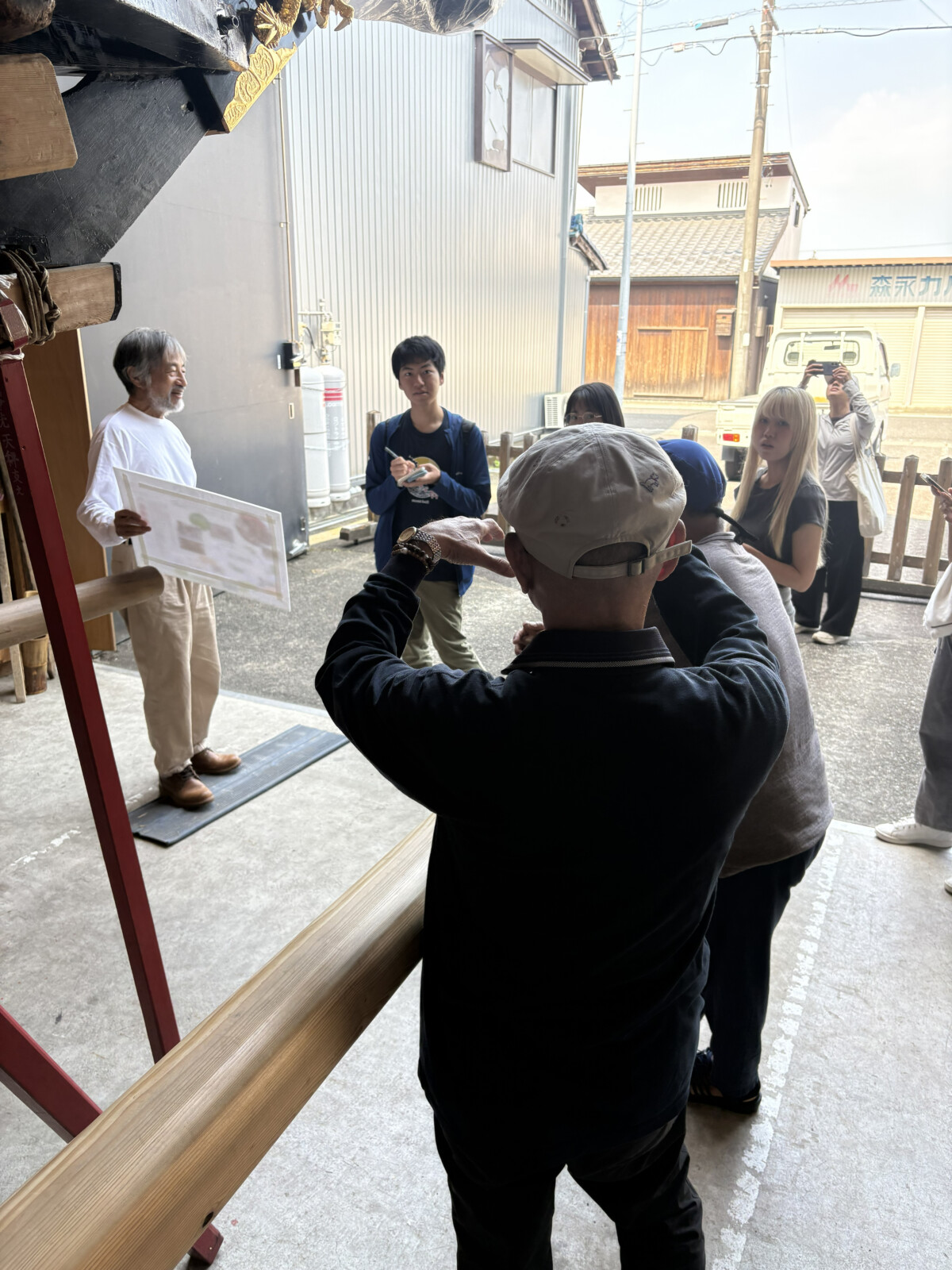
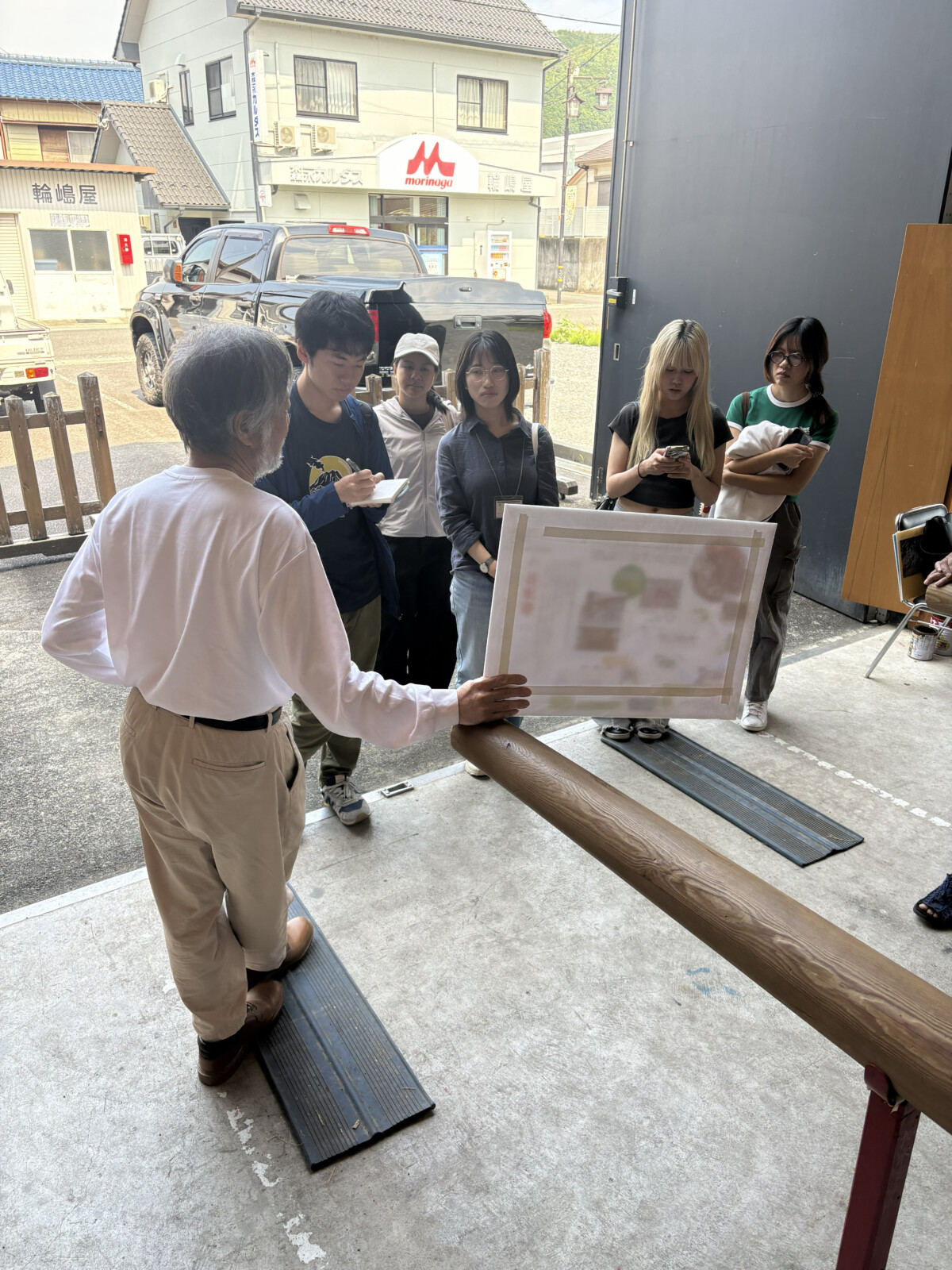
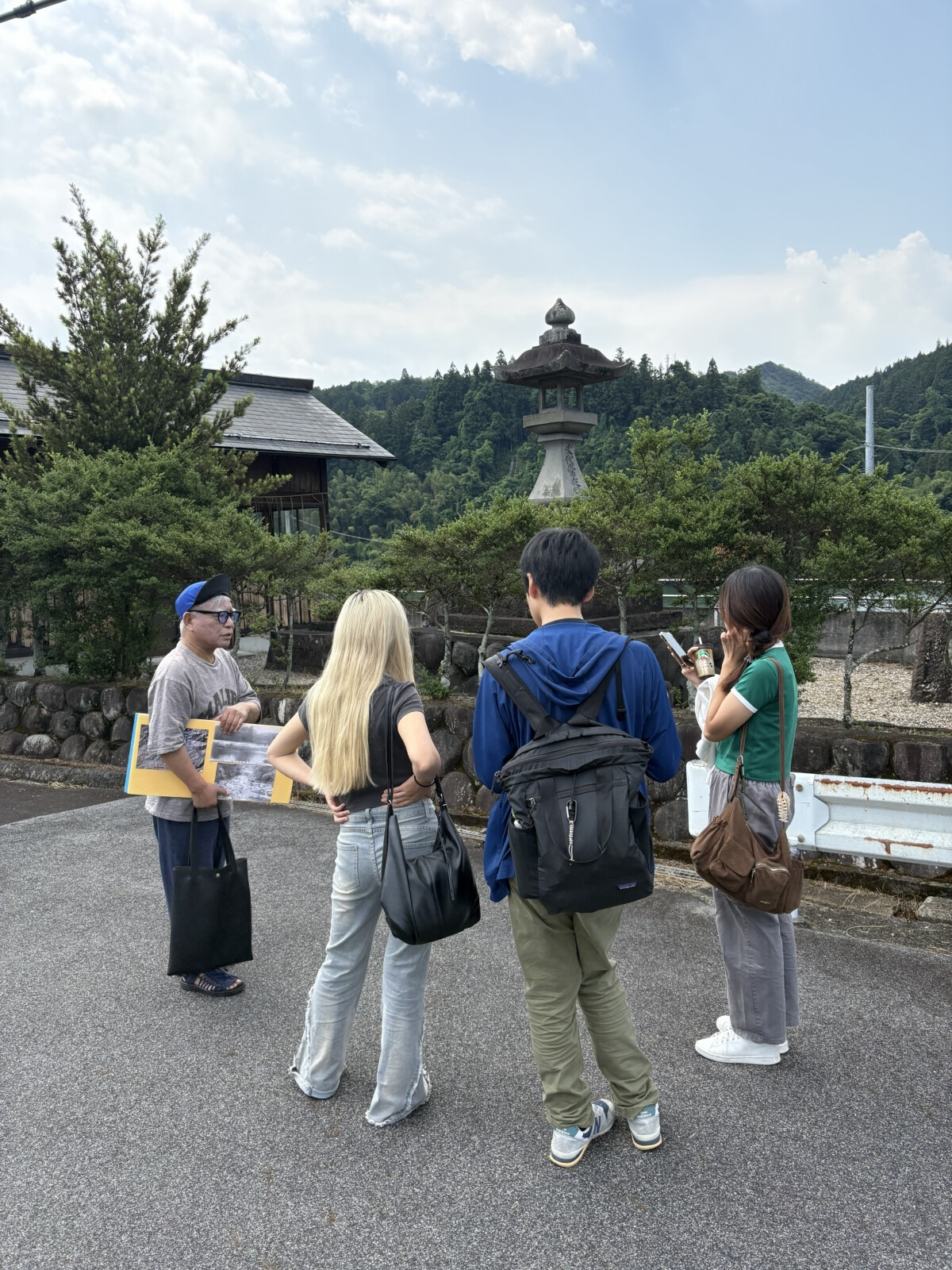
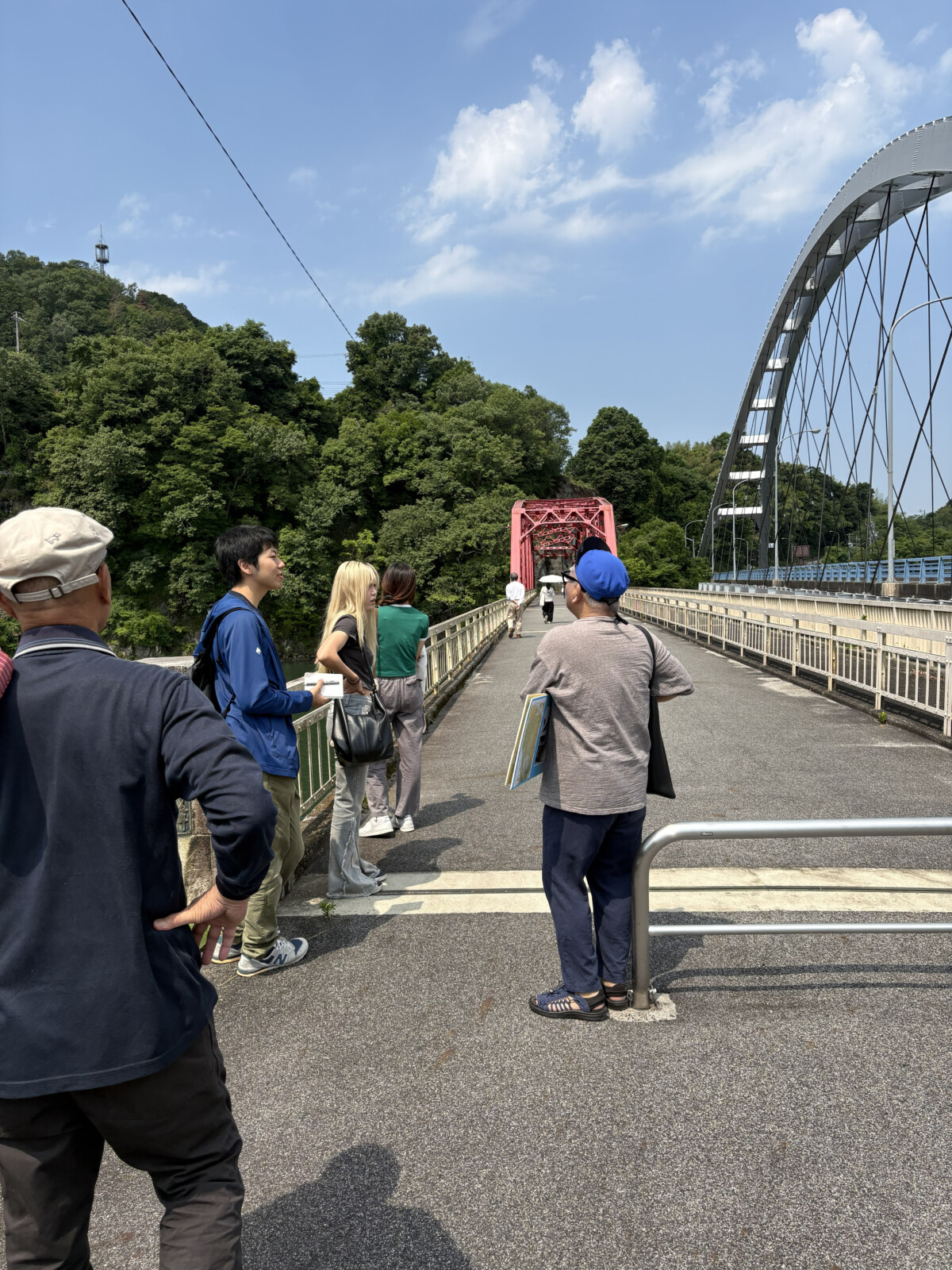
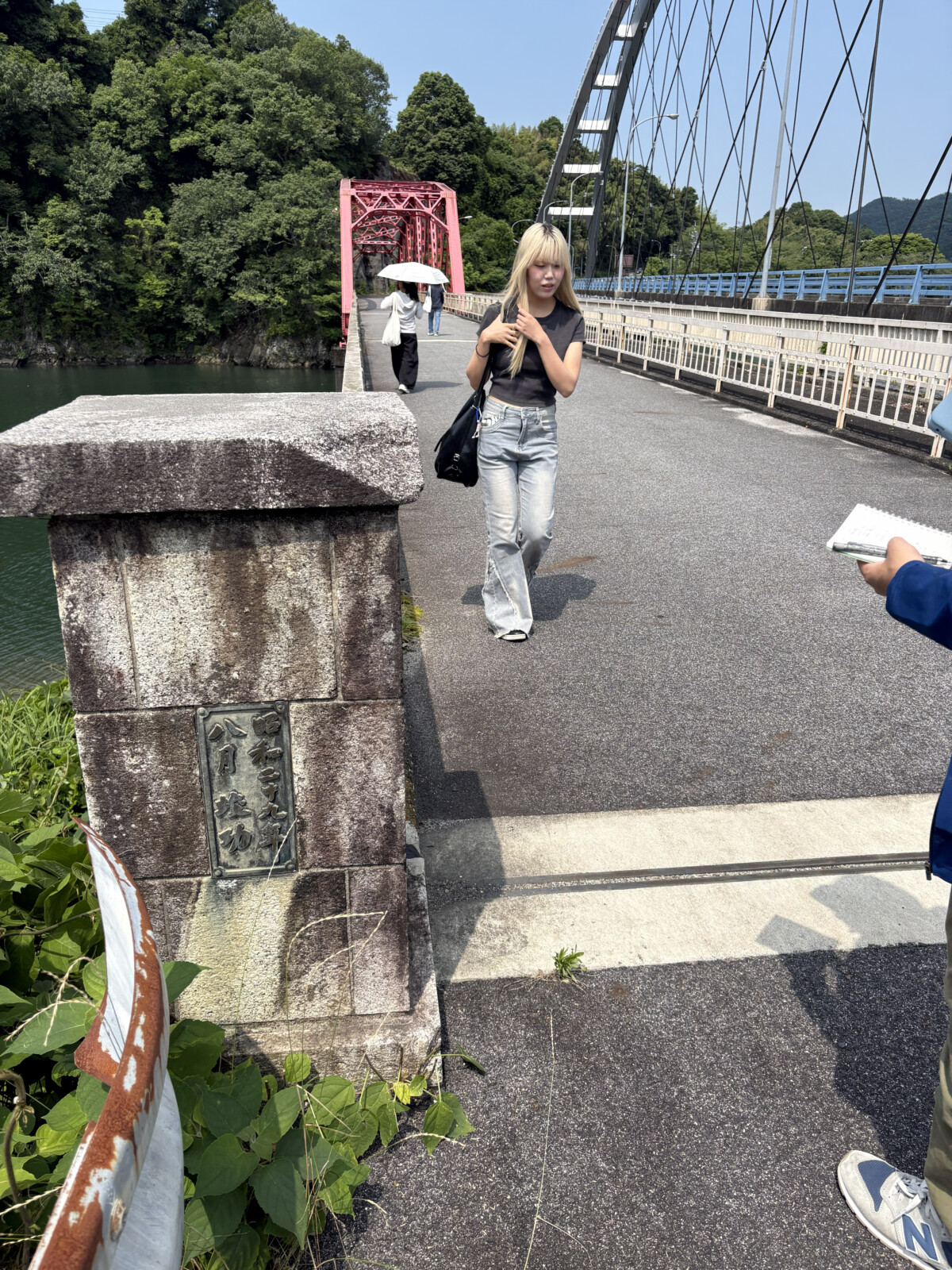
The view of Yaotsu Bridge under a clear blue sky was simply breathtaking. Blessed with beautiful weather, it was a wonderfully refreshing time for everyone.
The group then made their way to the farm stand at Shionami Yama. Store manager Yasuko shared stories about Yaotsu’s agriculture and local specialties, while the students kept the questions coming — and did plenty of shopping as well! For the people of the community, having others take a genuine interest in their way of life and local products is truly a joy.
Lunch was hōba-zushi (sushi wrapped in magnolia leaves) from Shionami’s Maruma. Afterward, the group headed to the Kirin Kiso River Headwaters Forest.
After enjoying their hōba-zushi at the observation deck, they heard from Mr. Ido, Director of the Yaotsu Town Forestry Cooperative. The Kirin Kiso River Headwaters Forest is maintained through a collaboration among Yaotsu Town, local residents, the Kirin Beer Nagoya Plant, and the Yaotsu Headwaters Forest Development Committee. The group came away with a deeper understanding of how keeping the forest healthy is directly connected to protecting the clean waters of the Kiso River.
Professor Miura of Nagoya University remarked more than once: “The daily lives of Aichi residents are sustained by the waters of the Kiso River. That’s why I feel nothing but gratitude toward Yaotsu, which protects that water source. We owe them so much.”
It was a moment that brought home, once again, just how much Yaotsu’s forests support the lives of so many people.
And Day 2 was far from over. Next, the group visited Iwahira Tea Garden in Kutami.
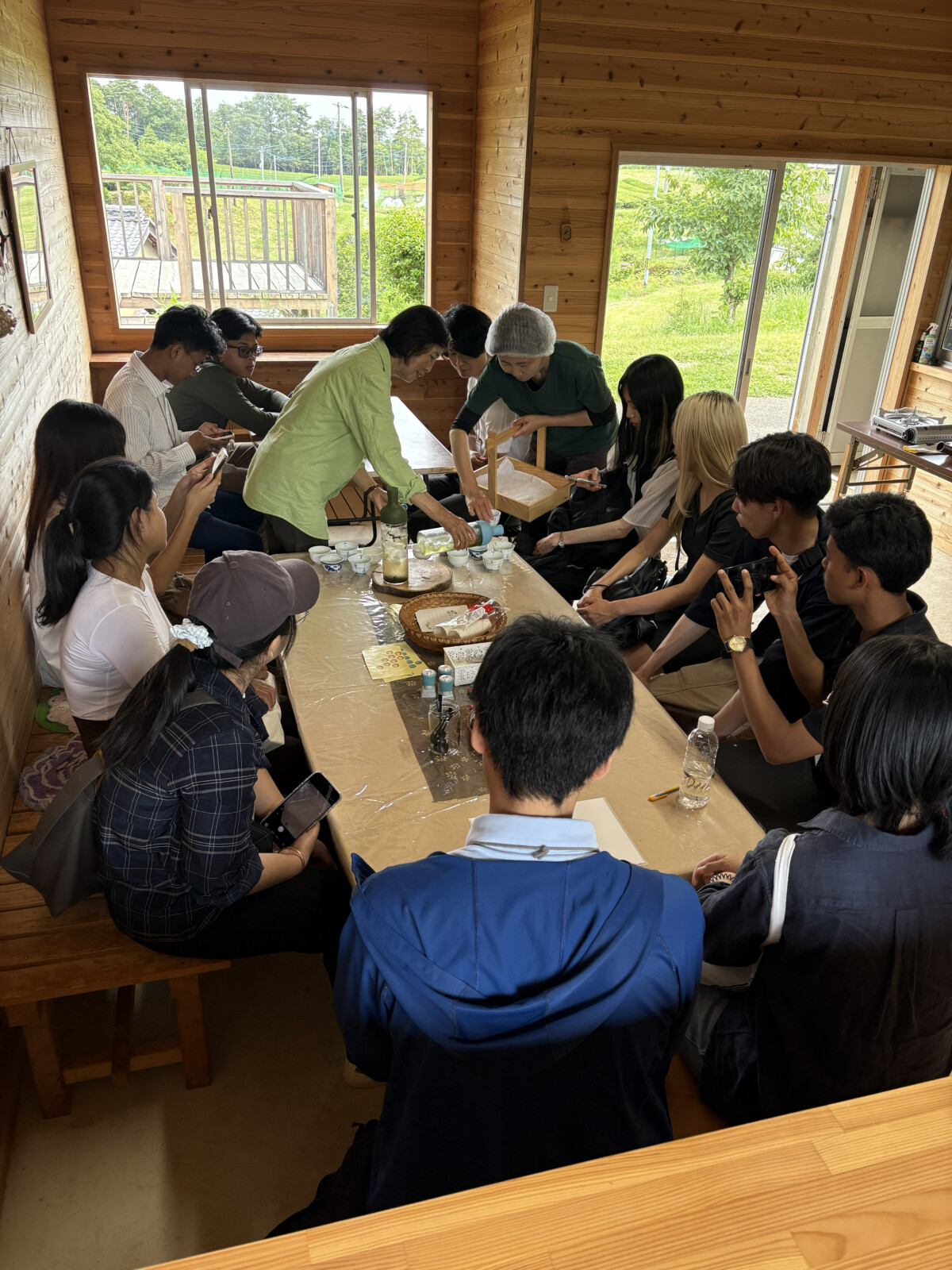
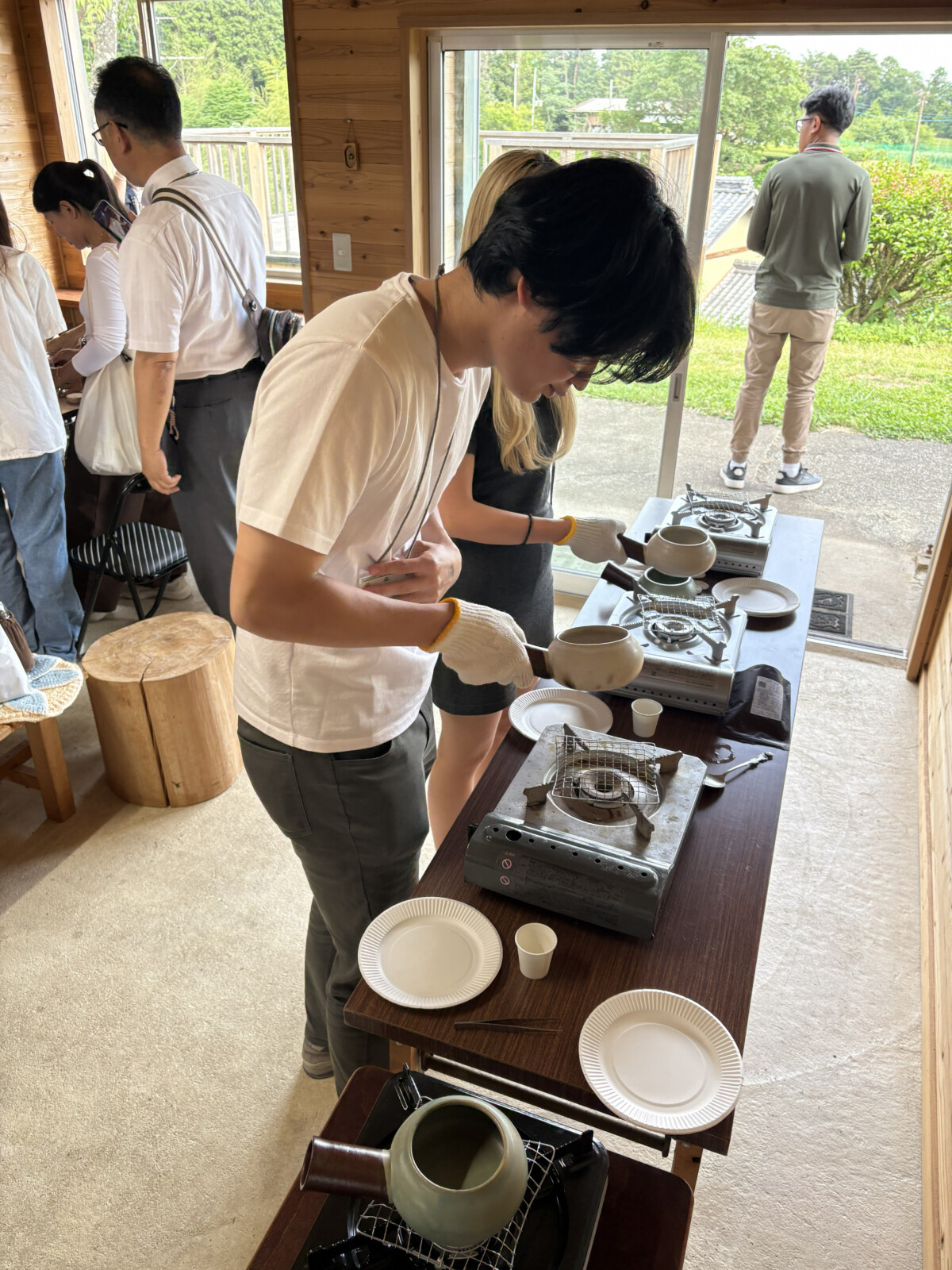
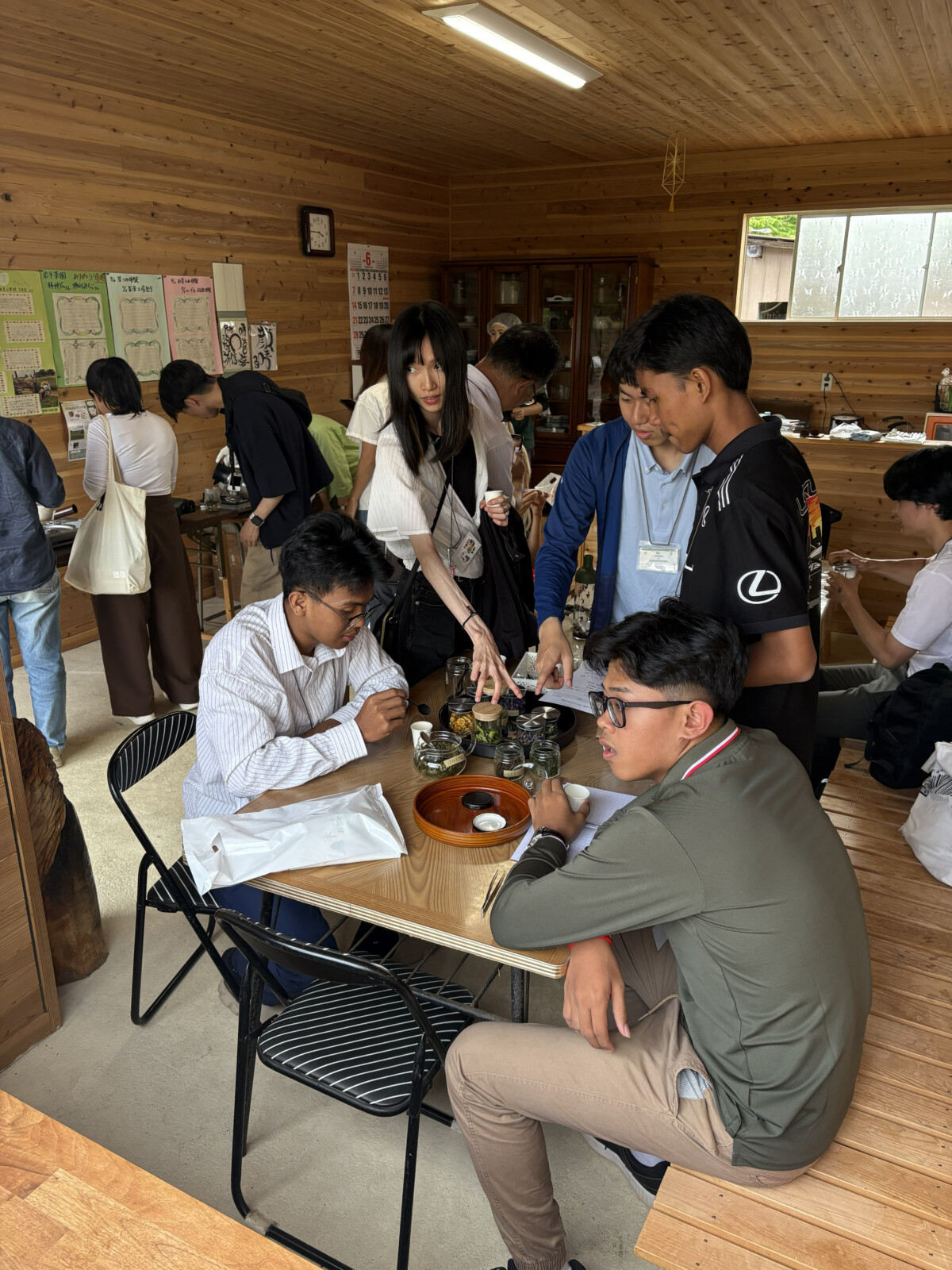
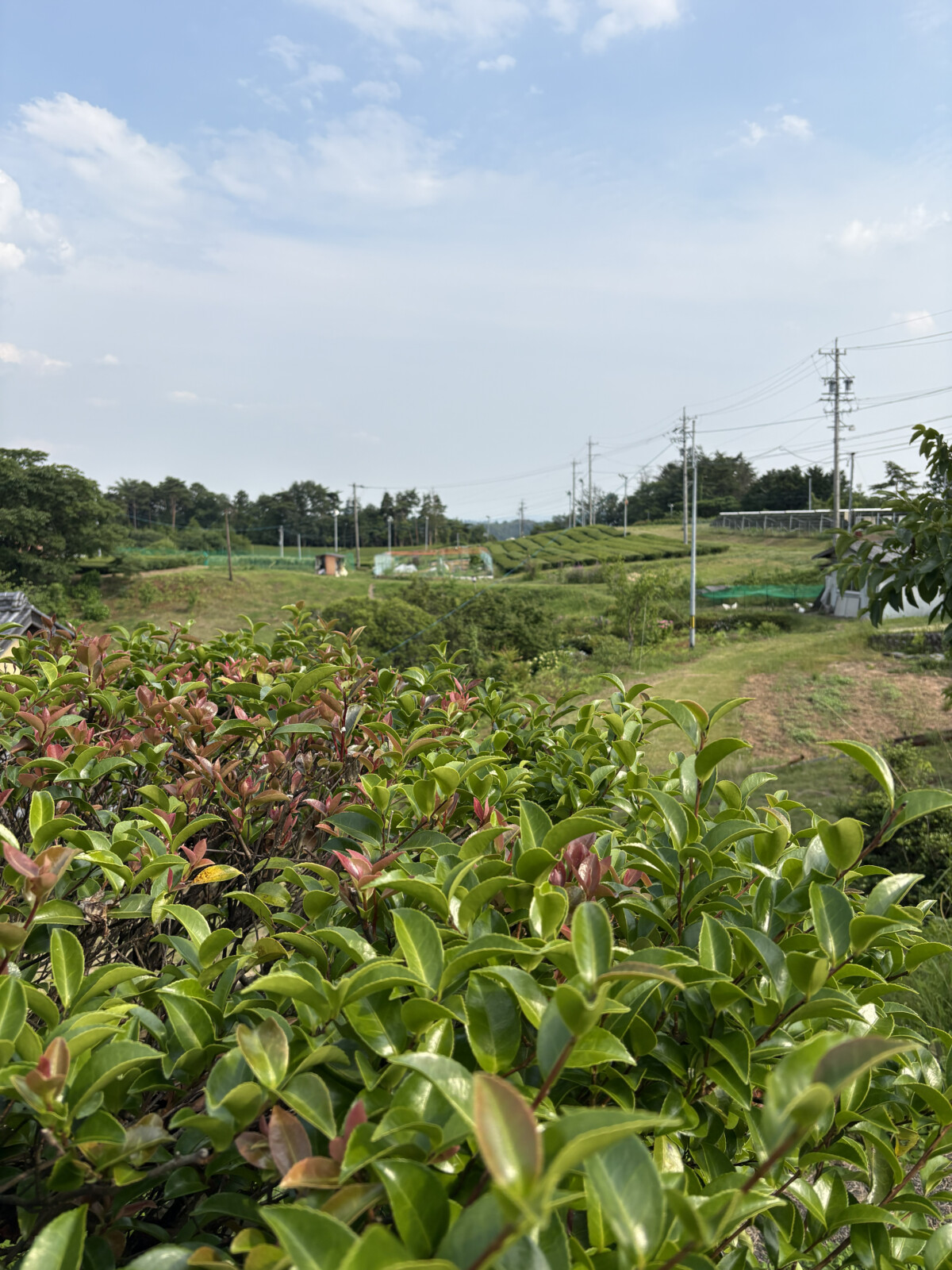
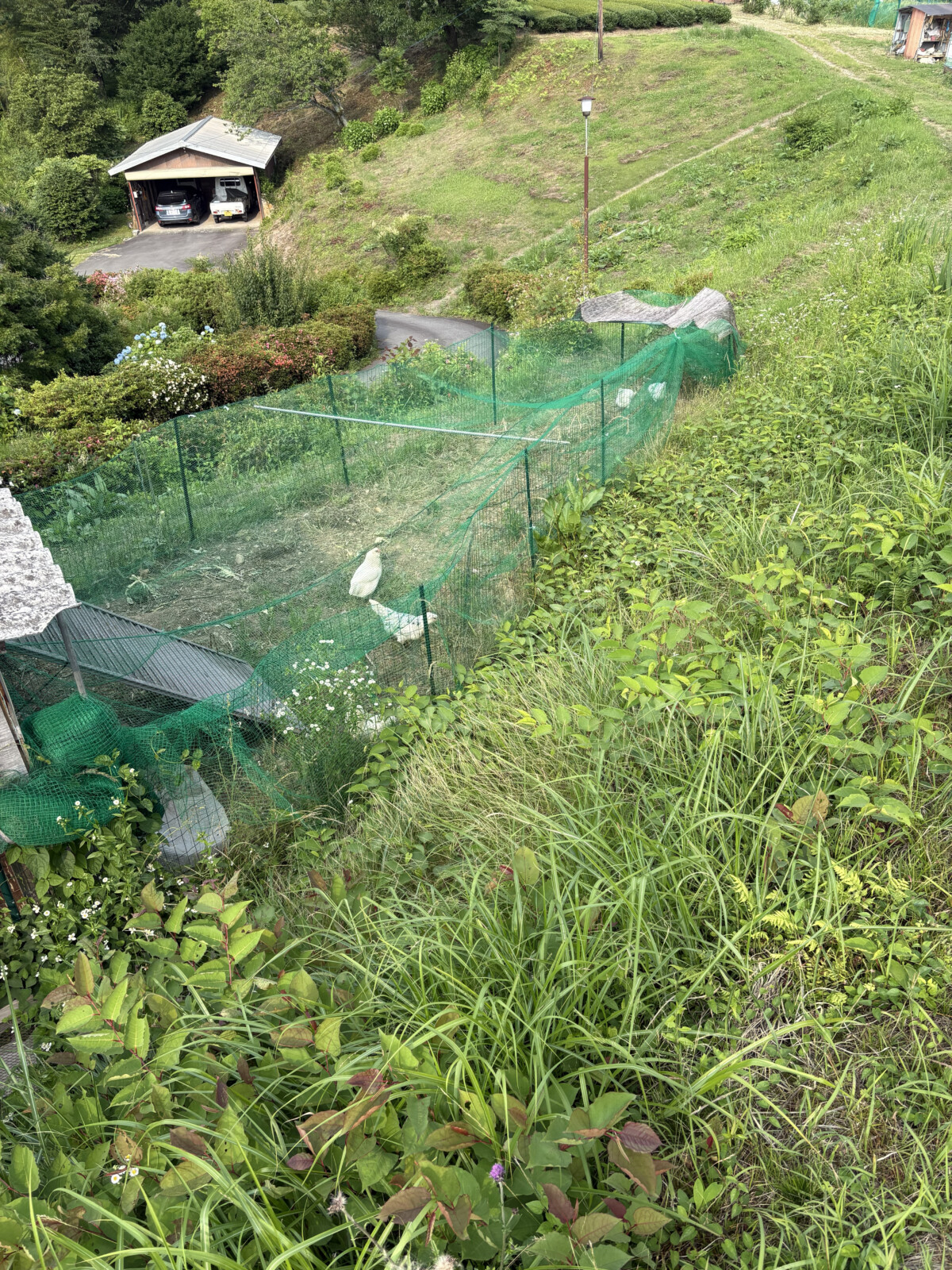
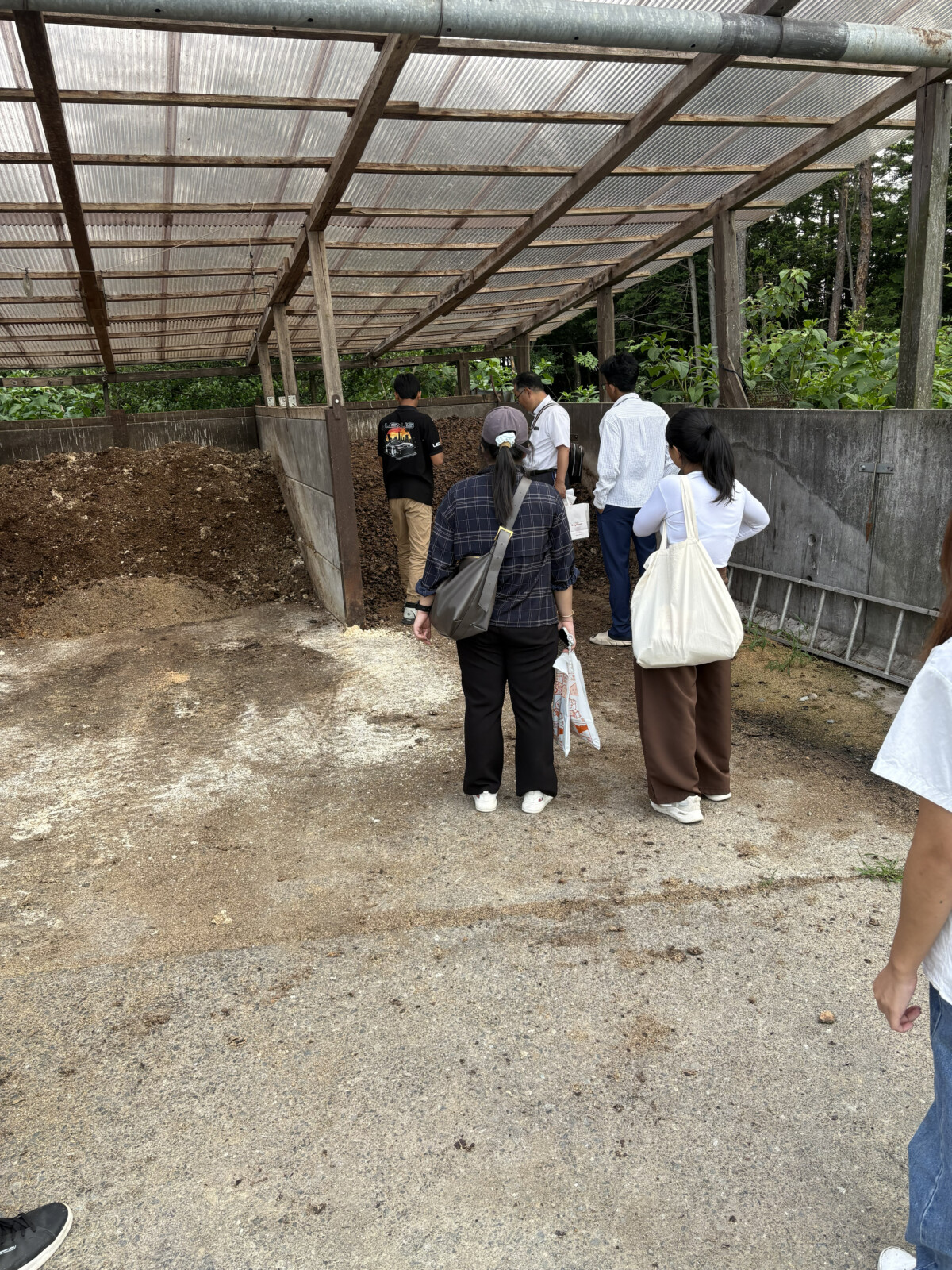
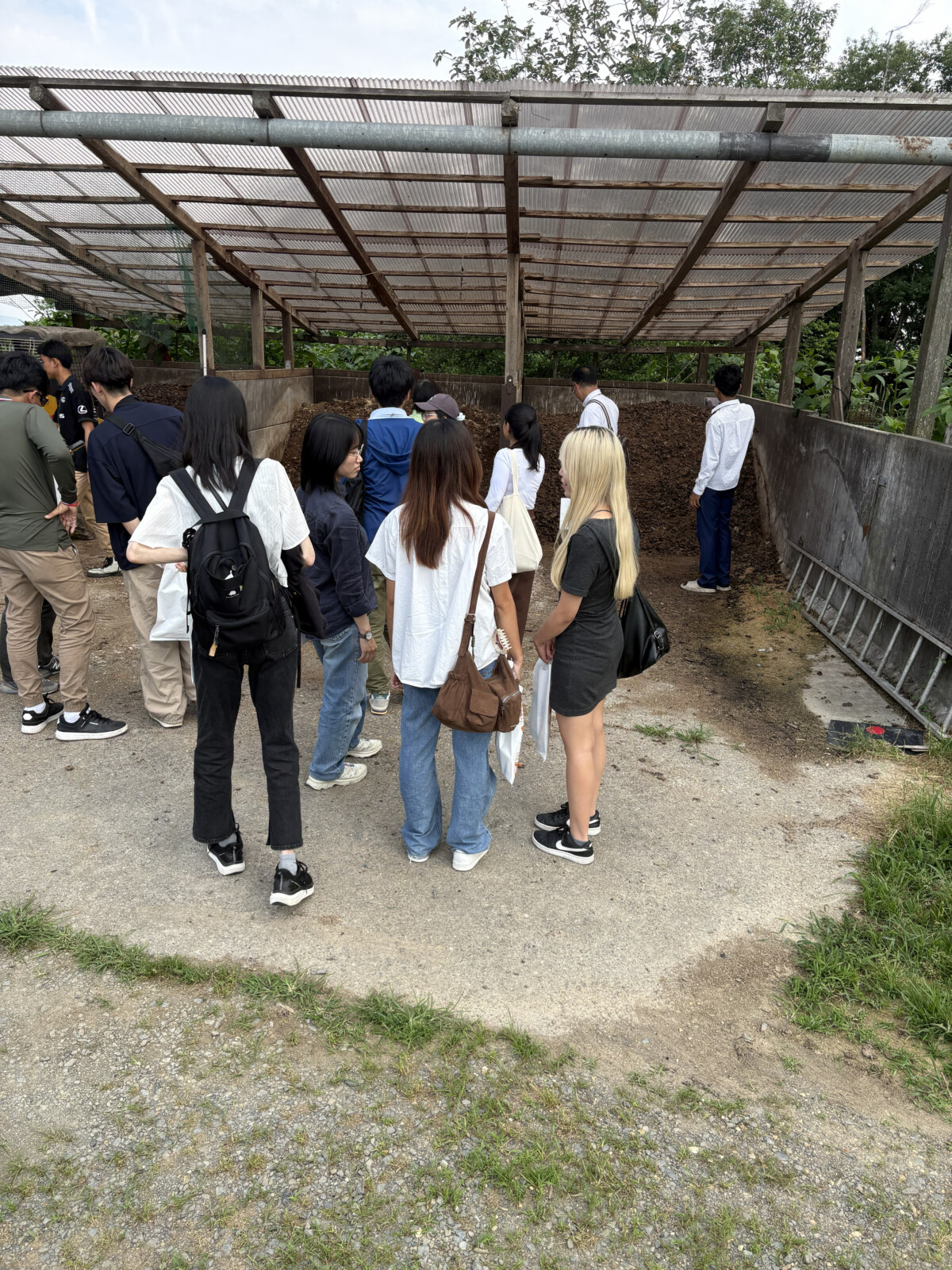
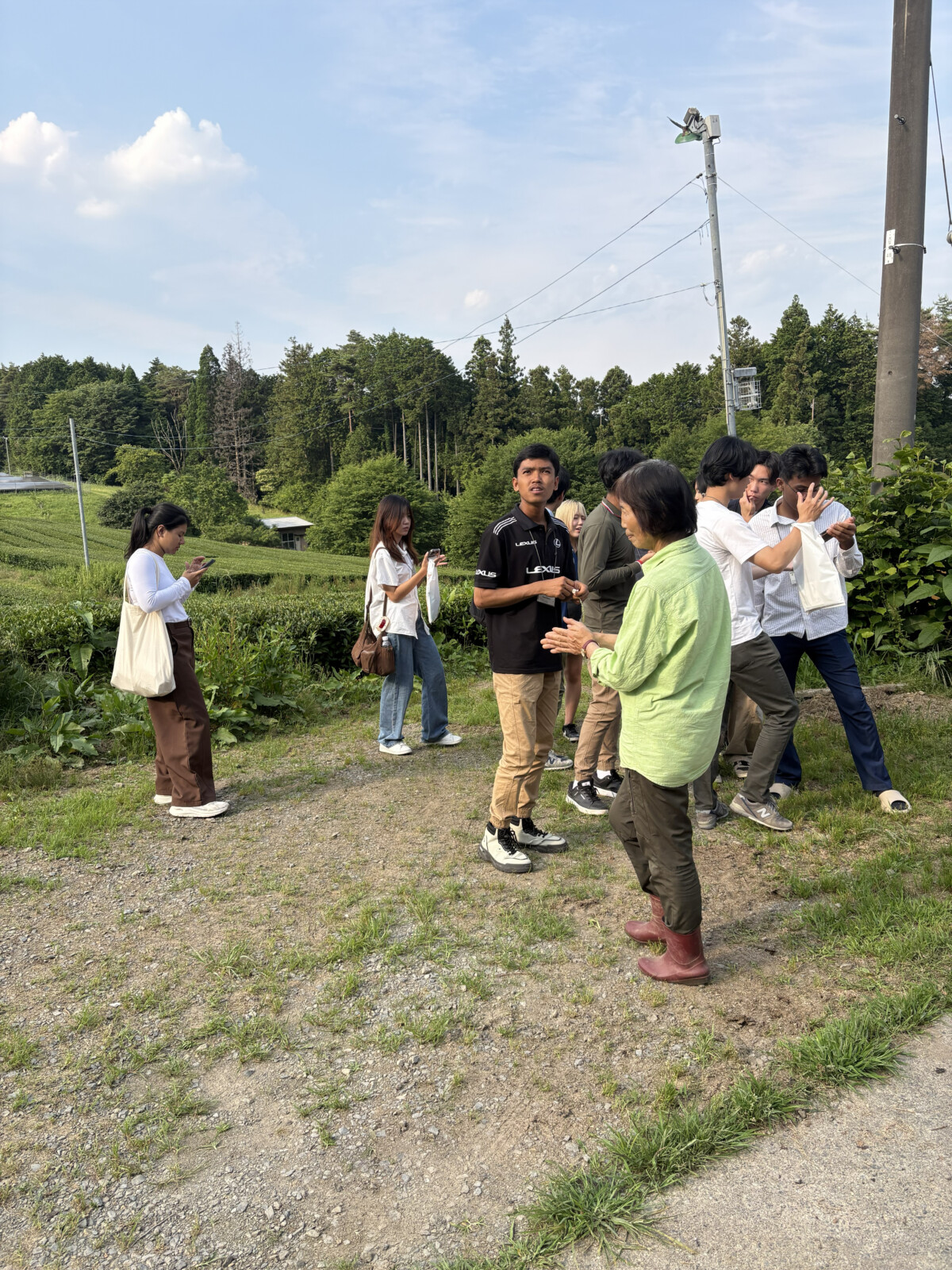
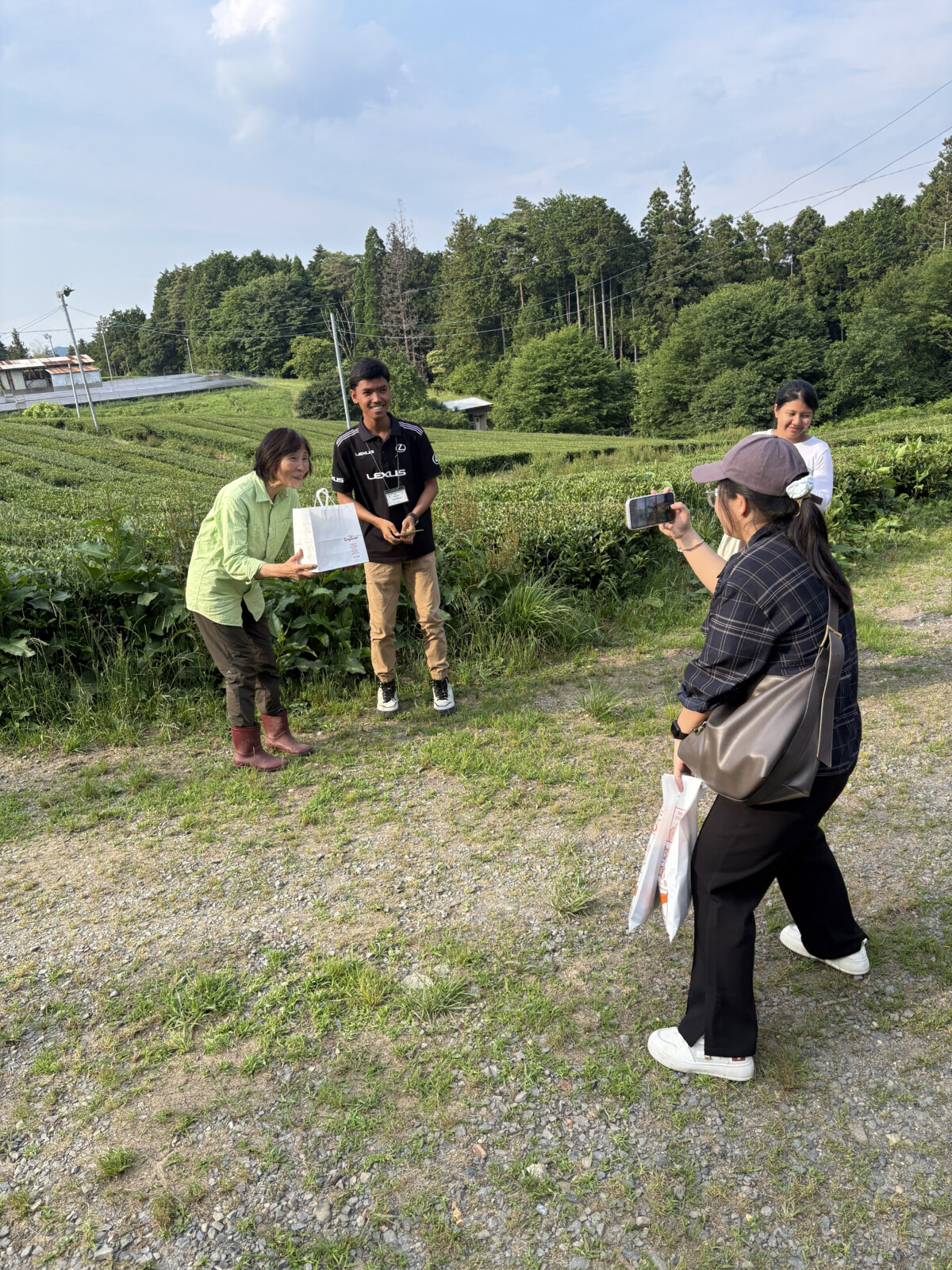
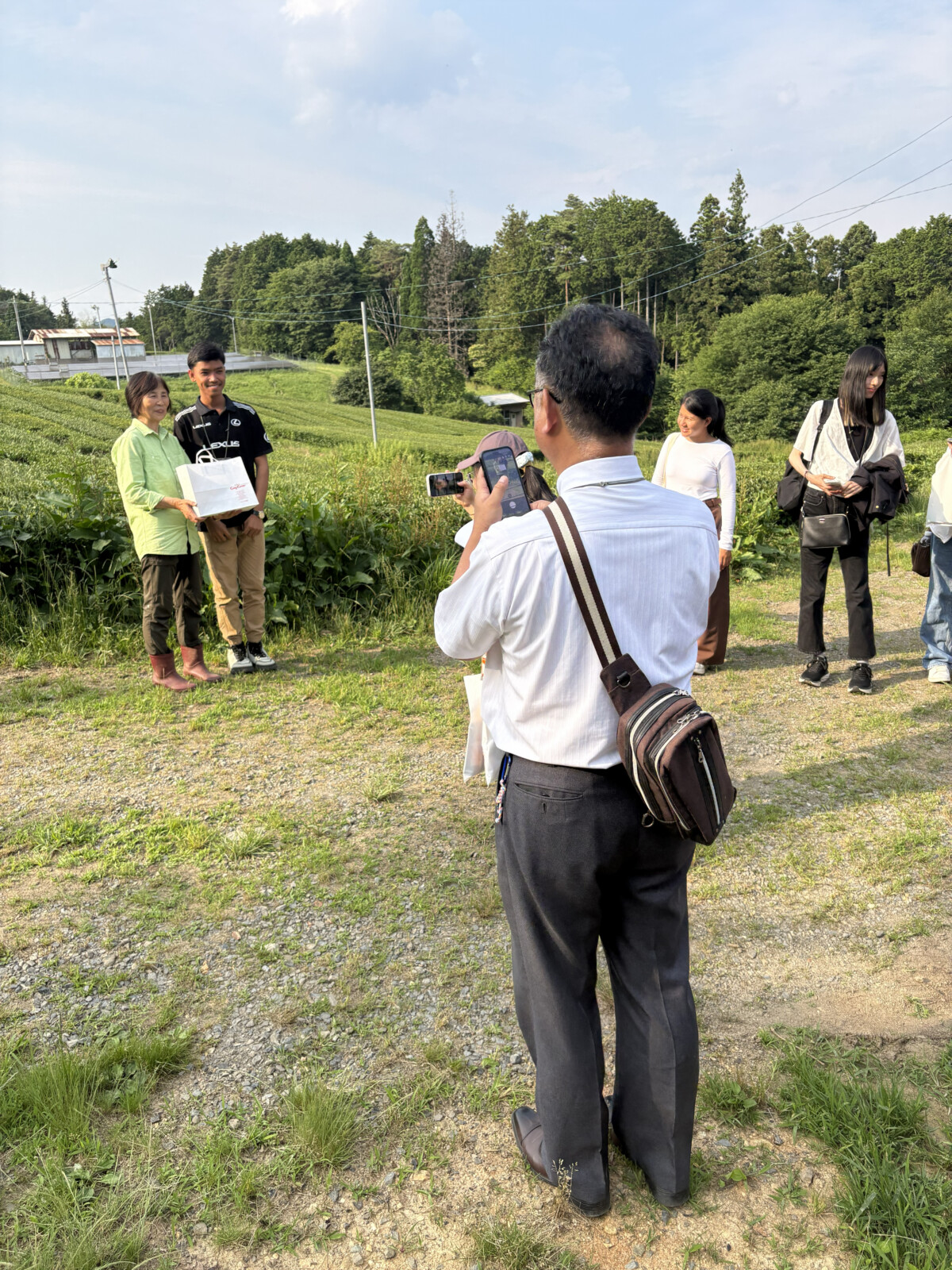
Set in a landscape surrounded by mountains, this family-run tea garden practices pesticide-free cultivation, and in recent years has seen a growing number of customers drawn to the appeal of naturally grown tea.
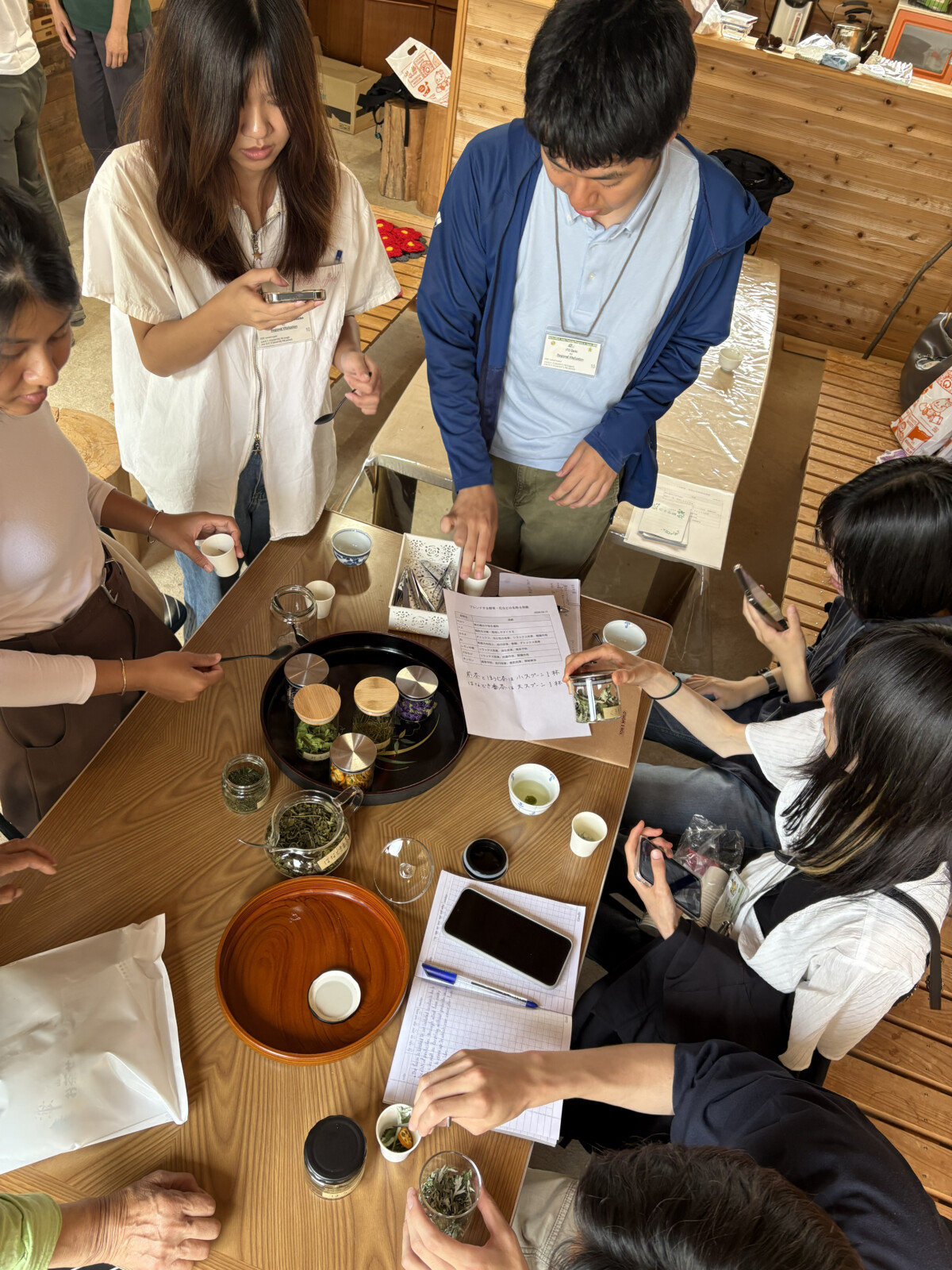
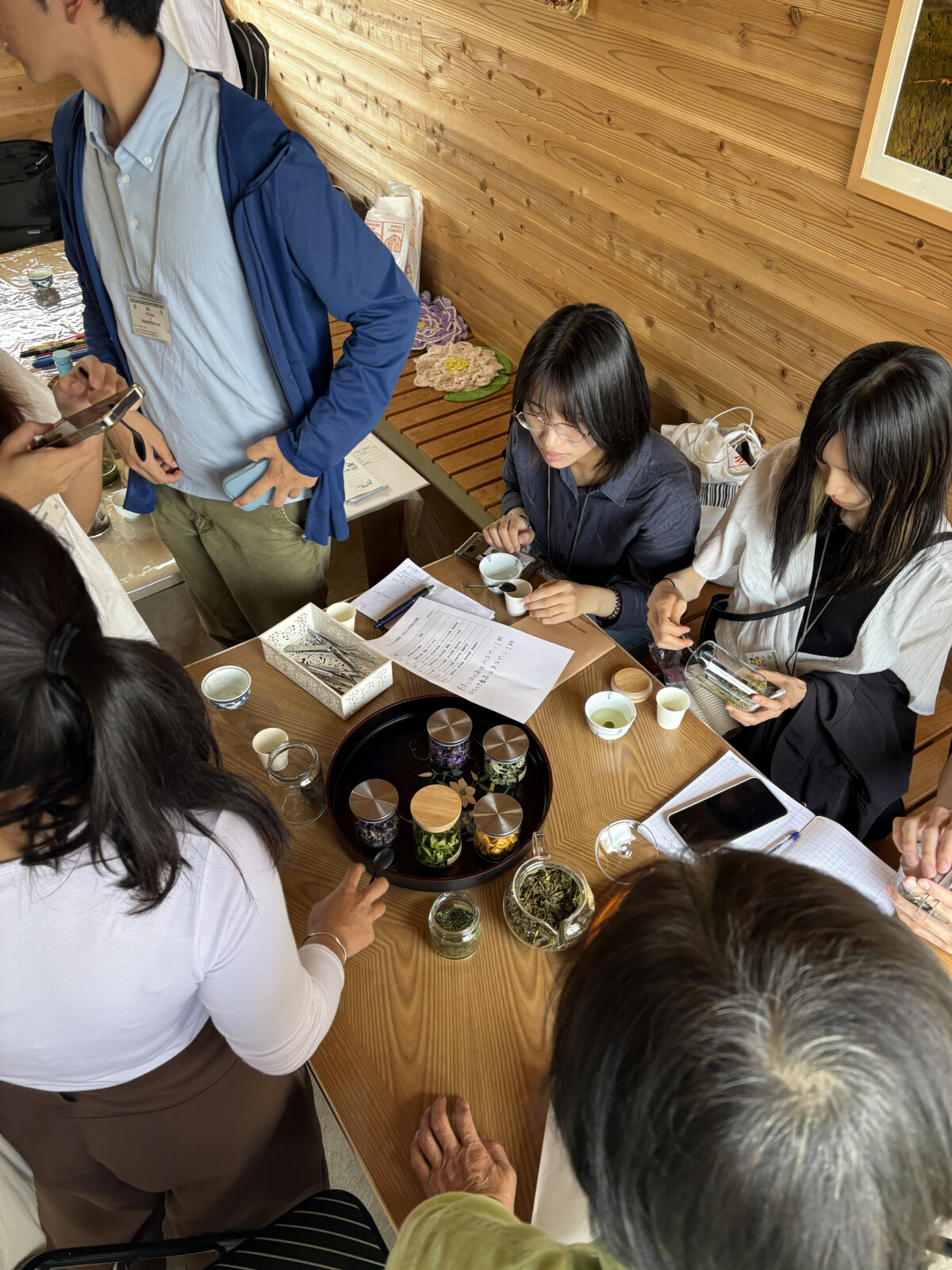
Here, participants tried their hand at blending — combining tea with herbal wild plant teas and discovering how different combinations produce distinct aromas and colors. It was a delightful encounter with a new dimension of tea. Many souvenirs found their way home from this stop too!
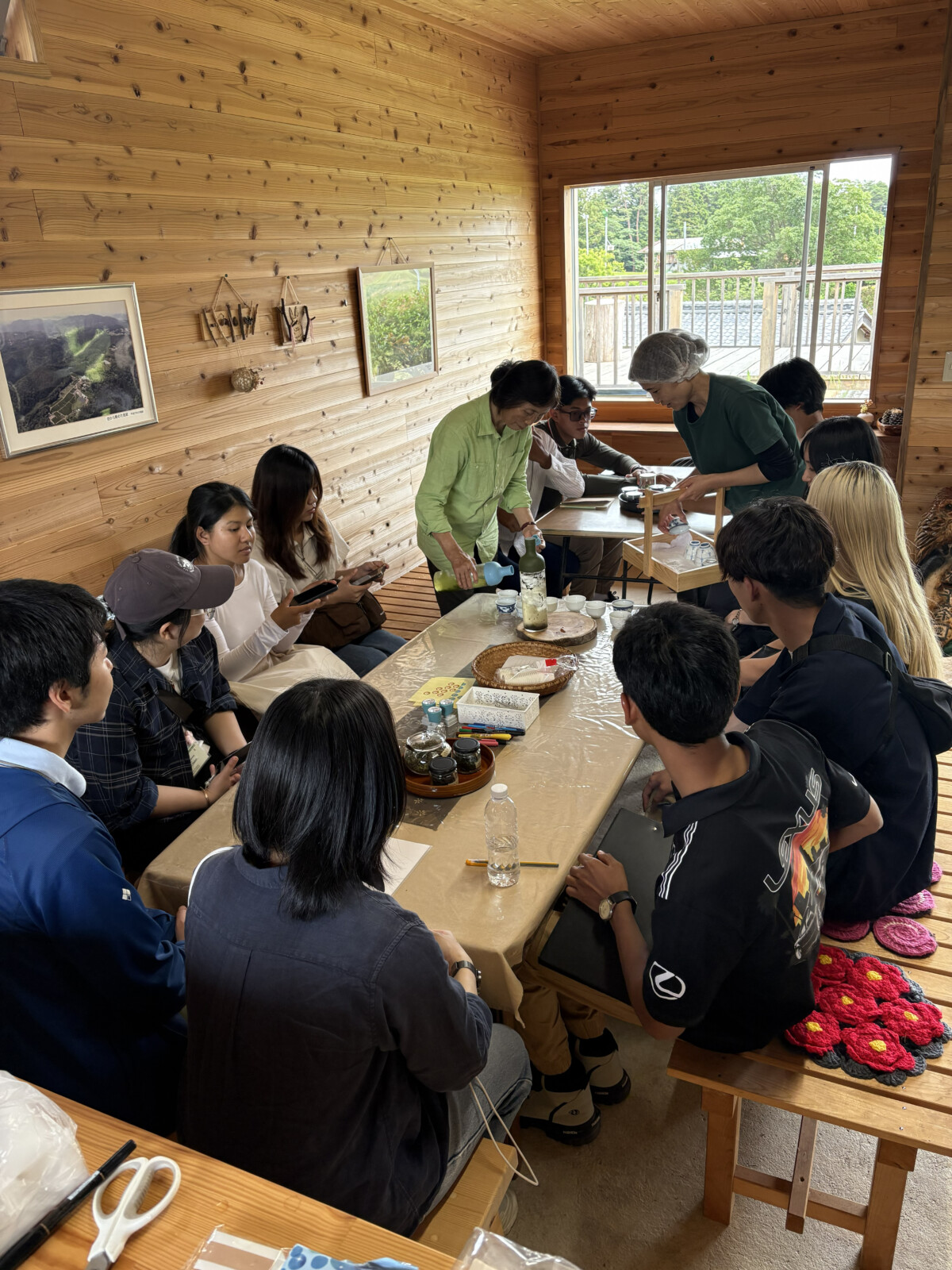
History, agriculture, forests, and tea culture — Day 2 in Yaotsu was packed to the brim.
We heard that the students stayed up late into the night again, reflecting on everything they had taken in throughout the day.
A day overflowing with learning and discovery. Everyone, you truly worked hard — thank you and well done!
Leave a Reply