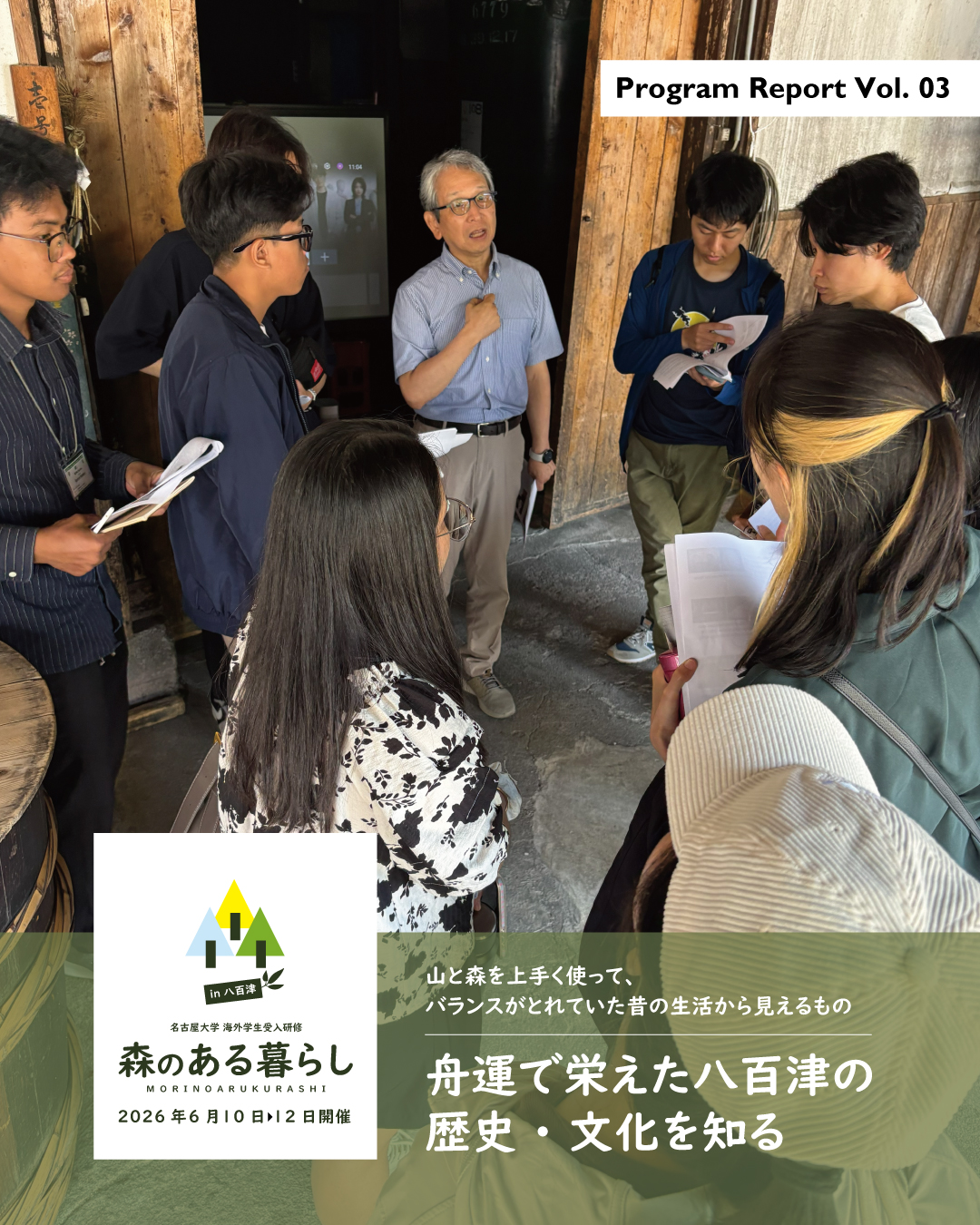
Day 3 / Friday, June 12, 2026
Day 3 — the final day had arrived. Once again, the morning began with the group splitting in two for their walks.
Group A explored the river trade hubs around Inuyama and Unuma, while Group B visited the Kurose Danjiri storehouse, Kurose Port, and Honmachi-dōri.
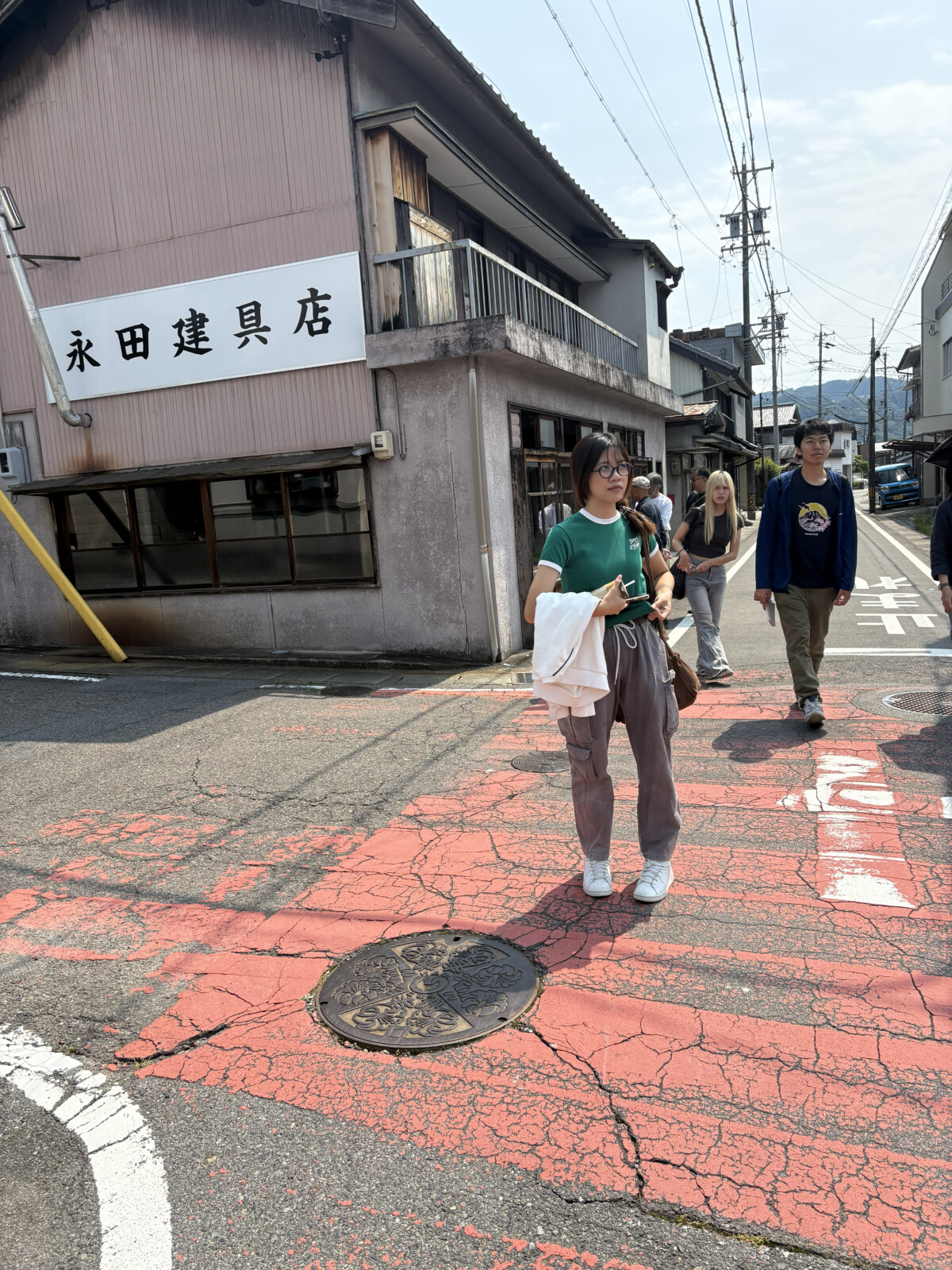
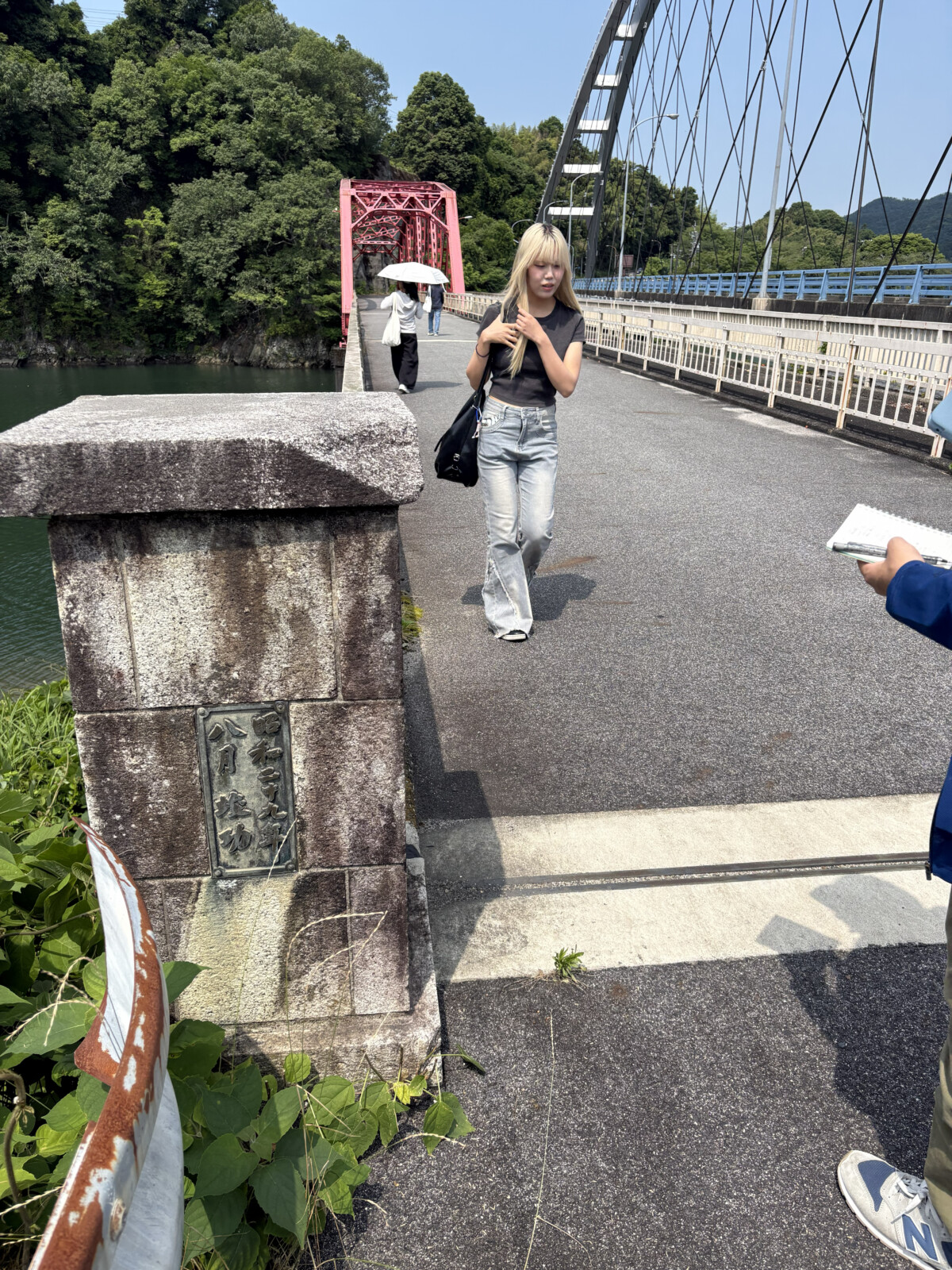
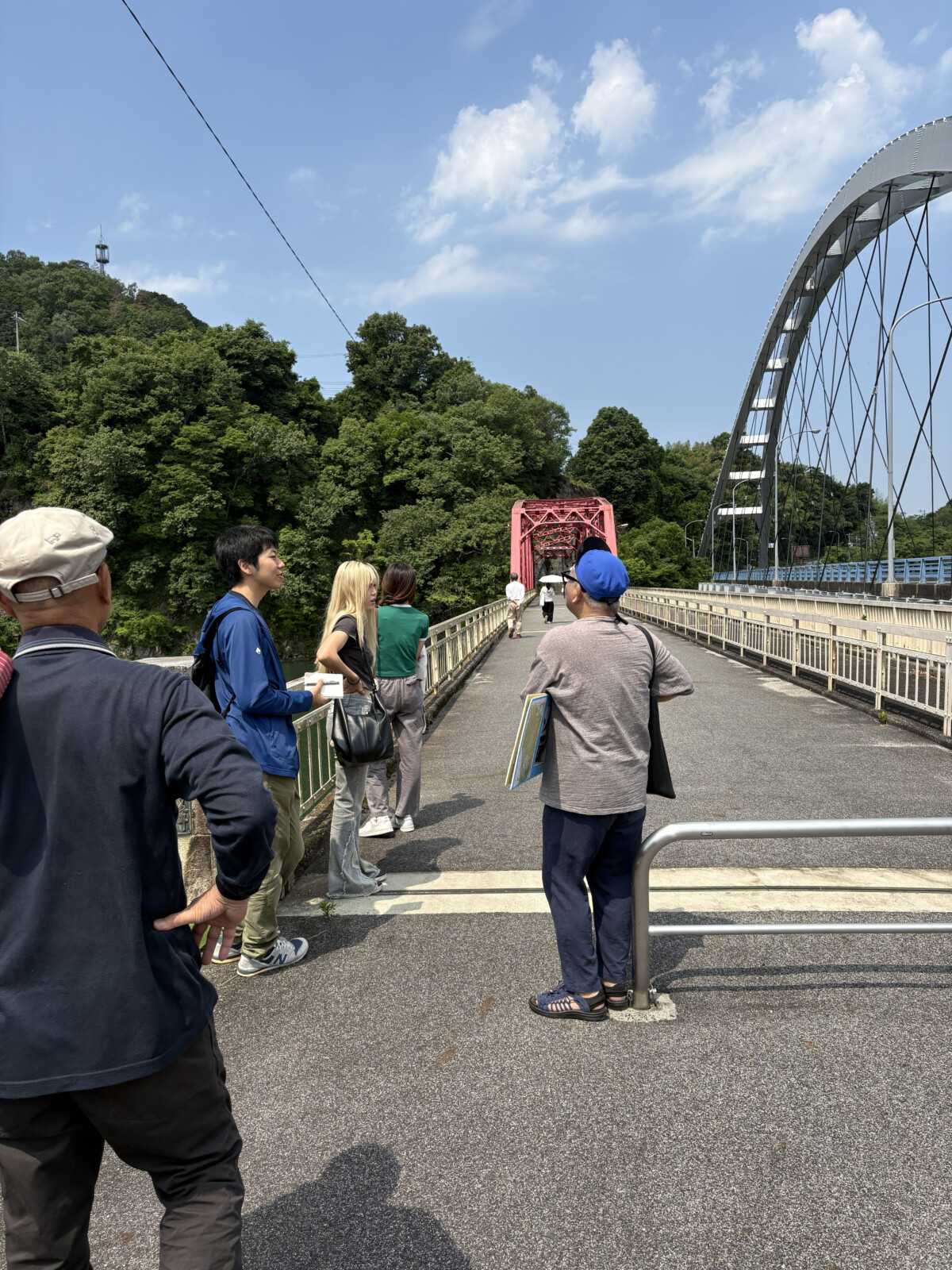
With relatively less travel on the schedule, the last day had a slightly more relaxed pace. The town walks went beyond the usual routes, leaving room for a few pleasant detours along the way.
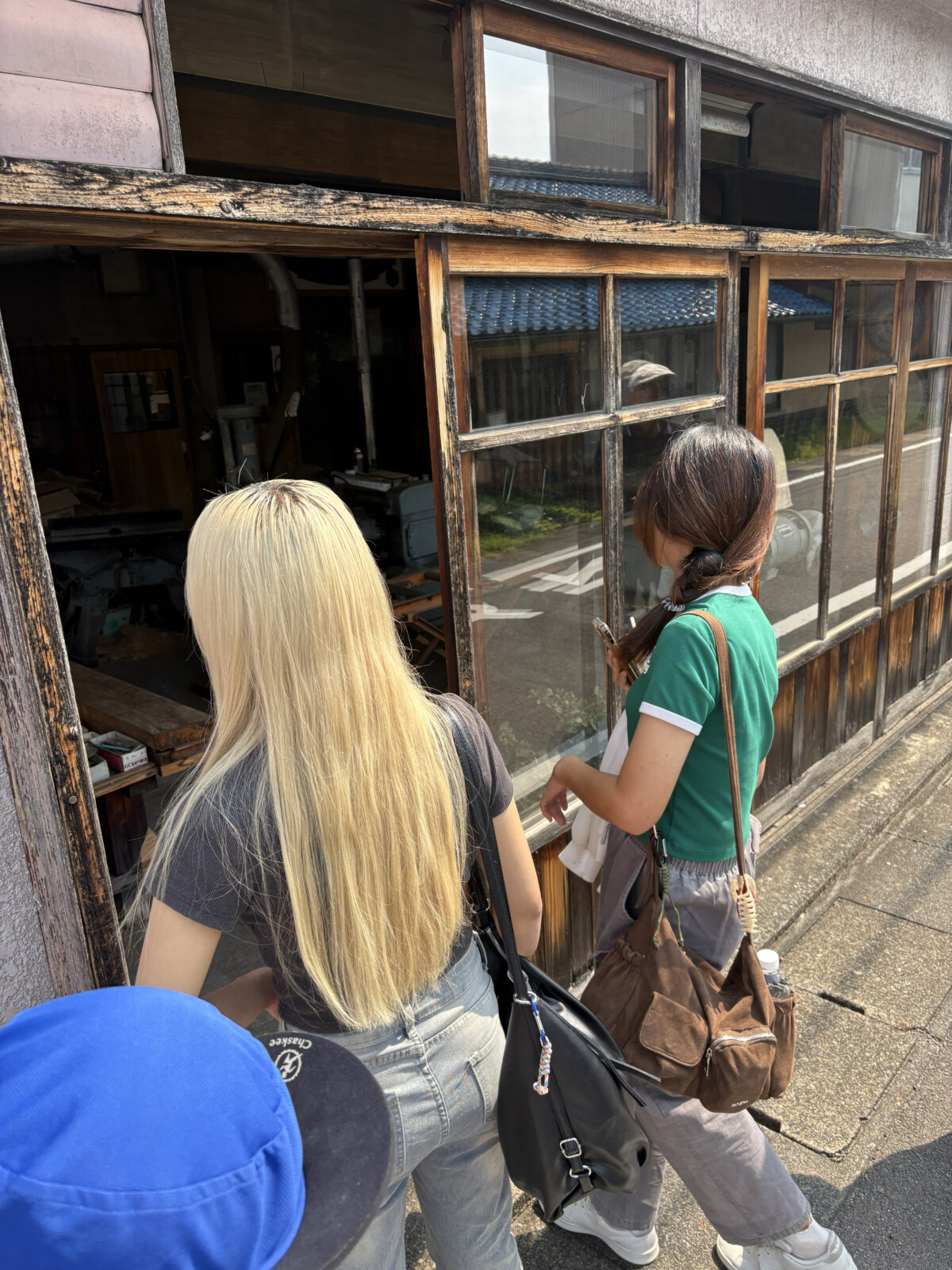
The group was taken to O-Bikuni-sama — a site connected to the faith and legend of the Buddhist nun Nyogenni, who is said to have entered eternal meditation there — and they also peeked into a traditional woodwork and joinery shop. It was a chance to take their time and truly soak in the townscape along the Kiso River.
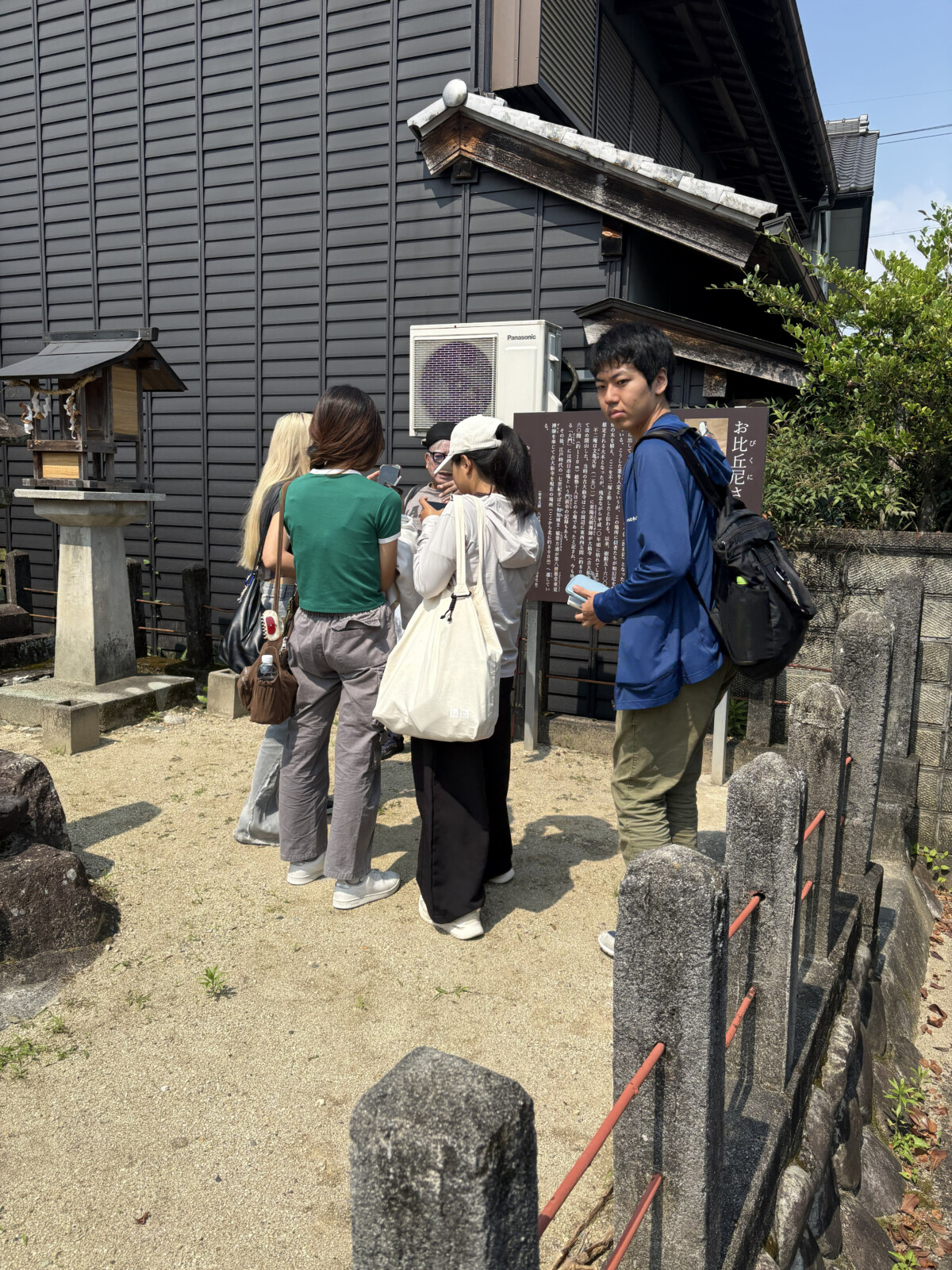
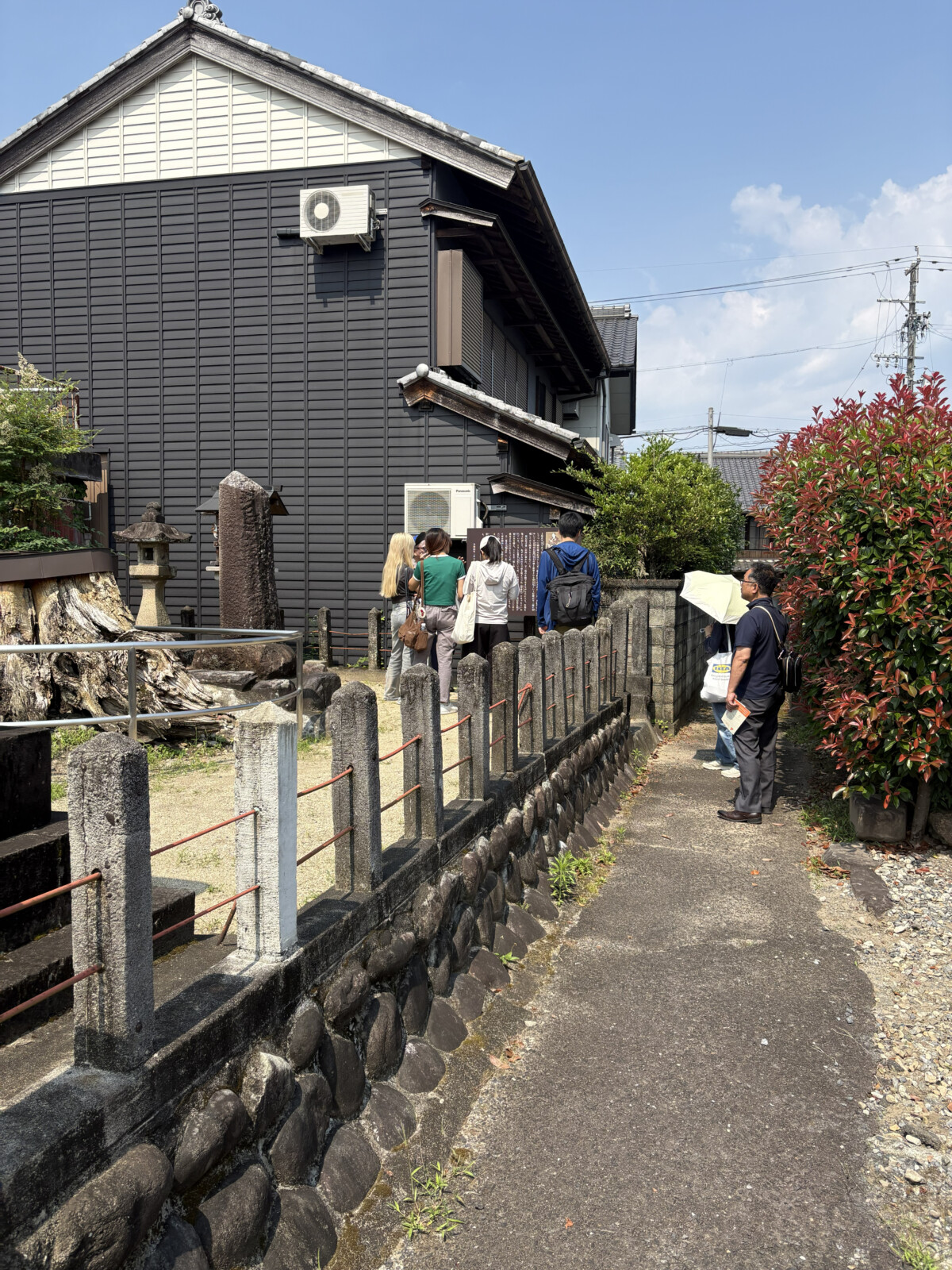
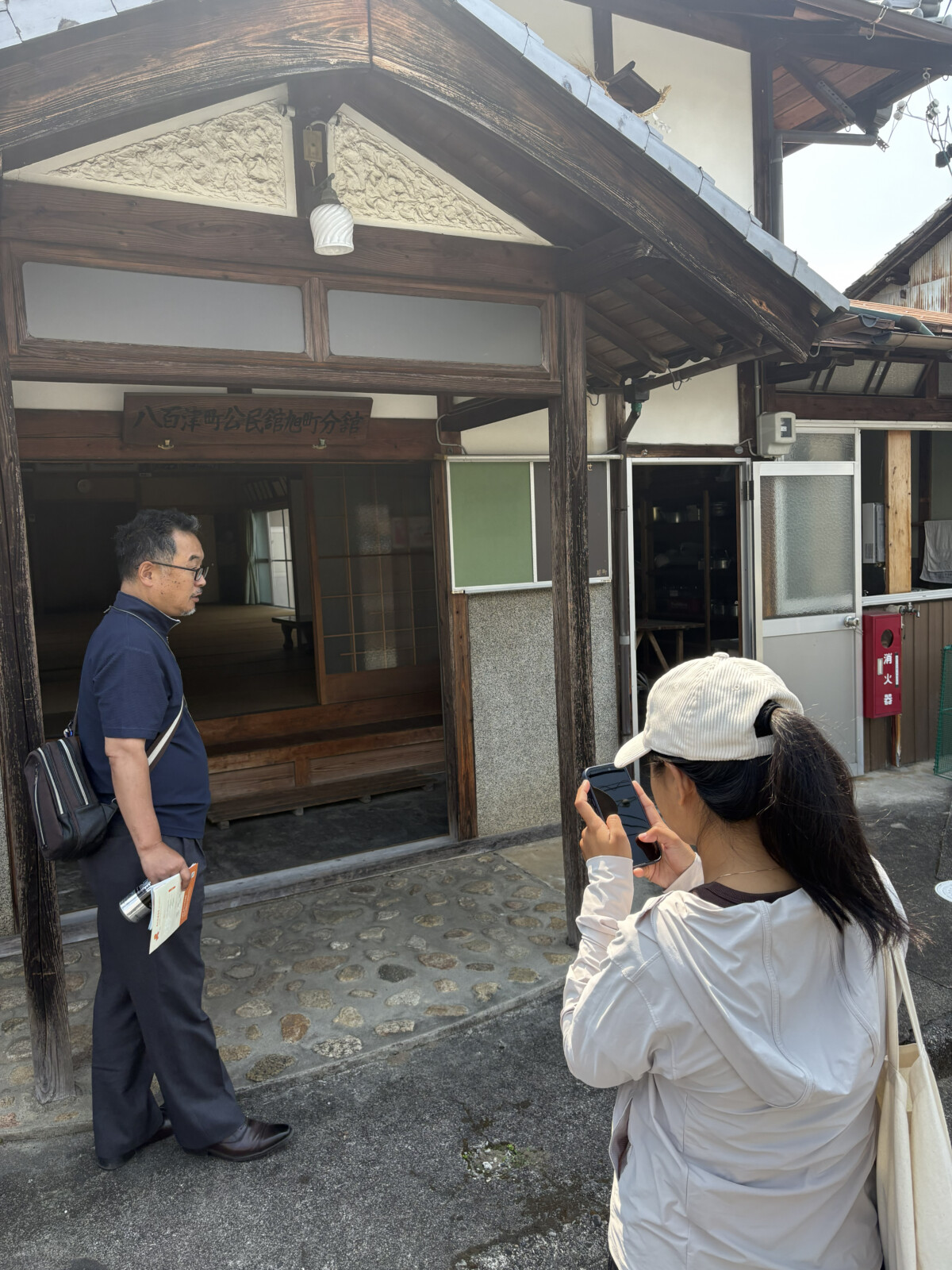

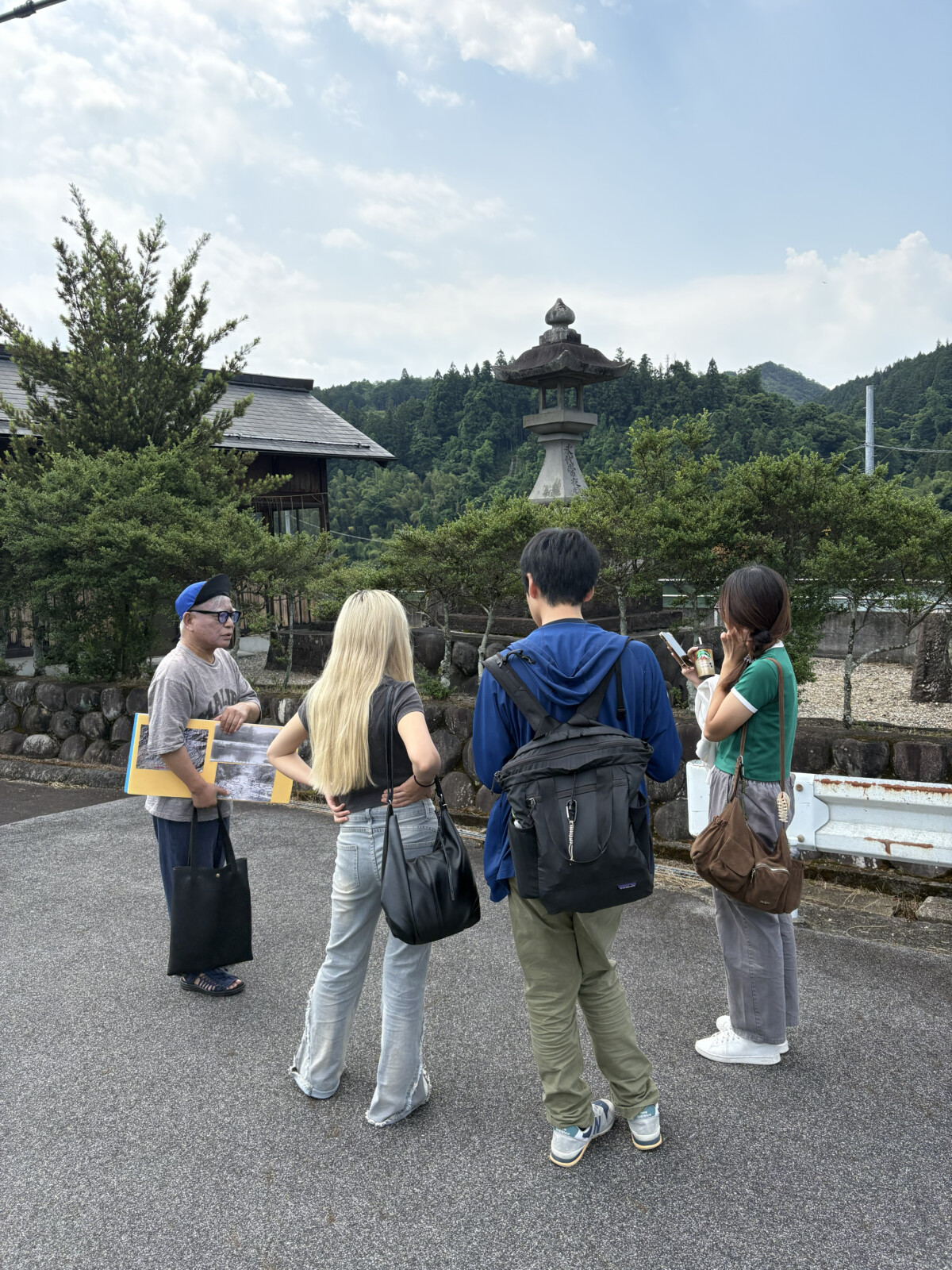
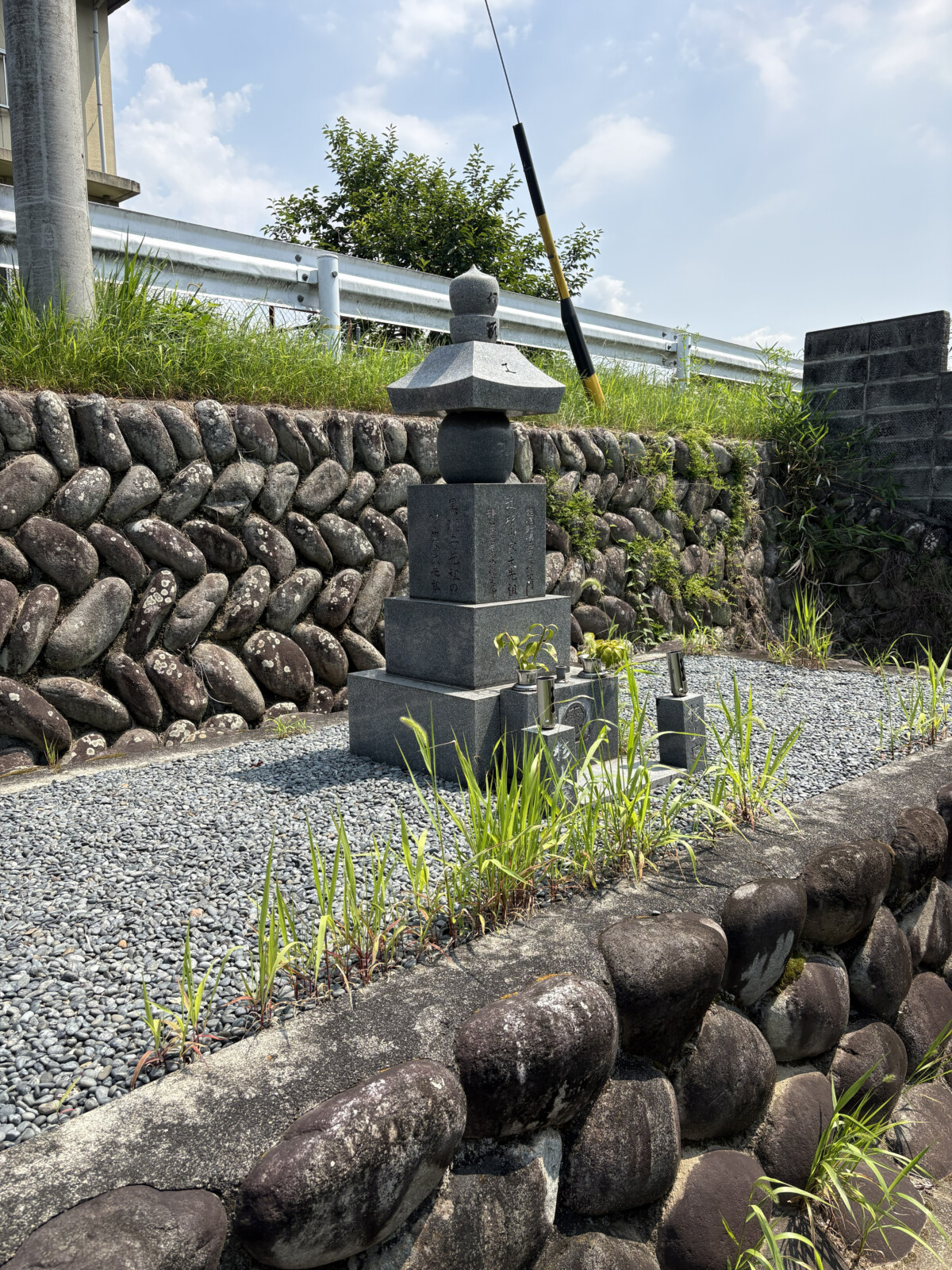
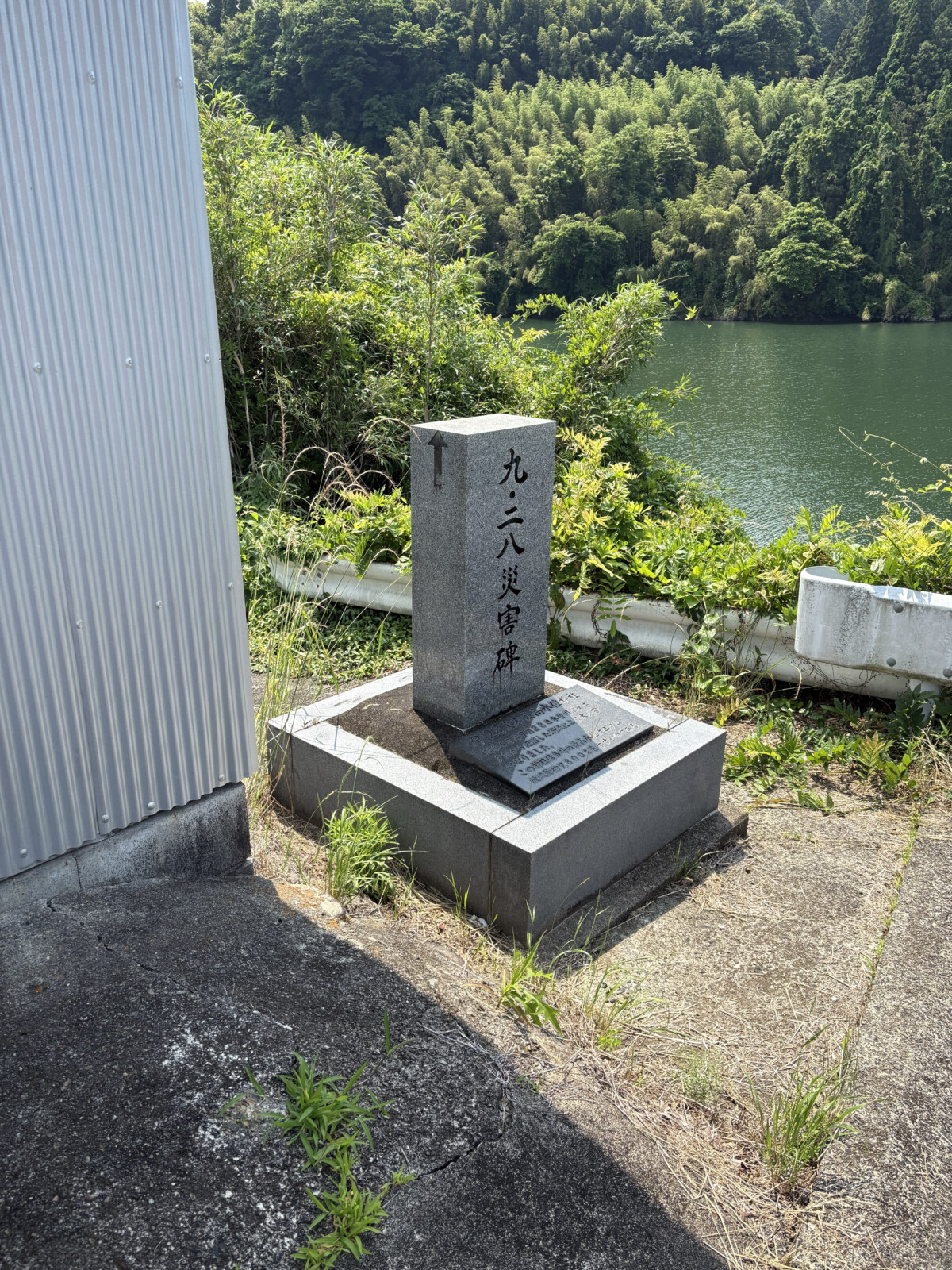
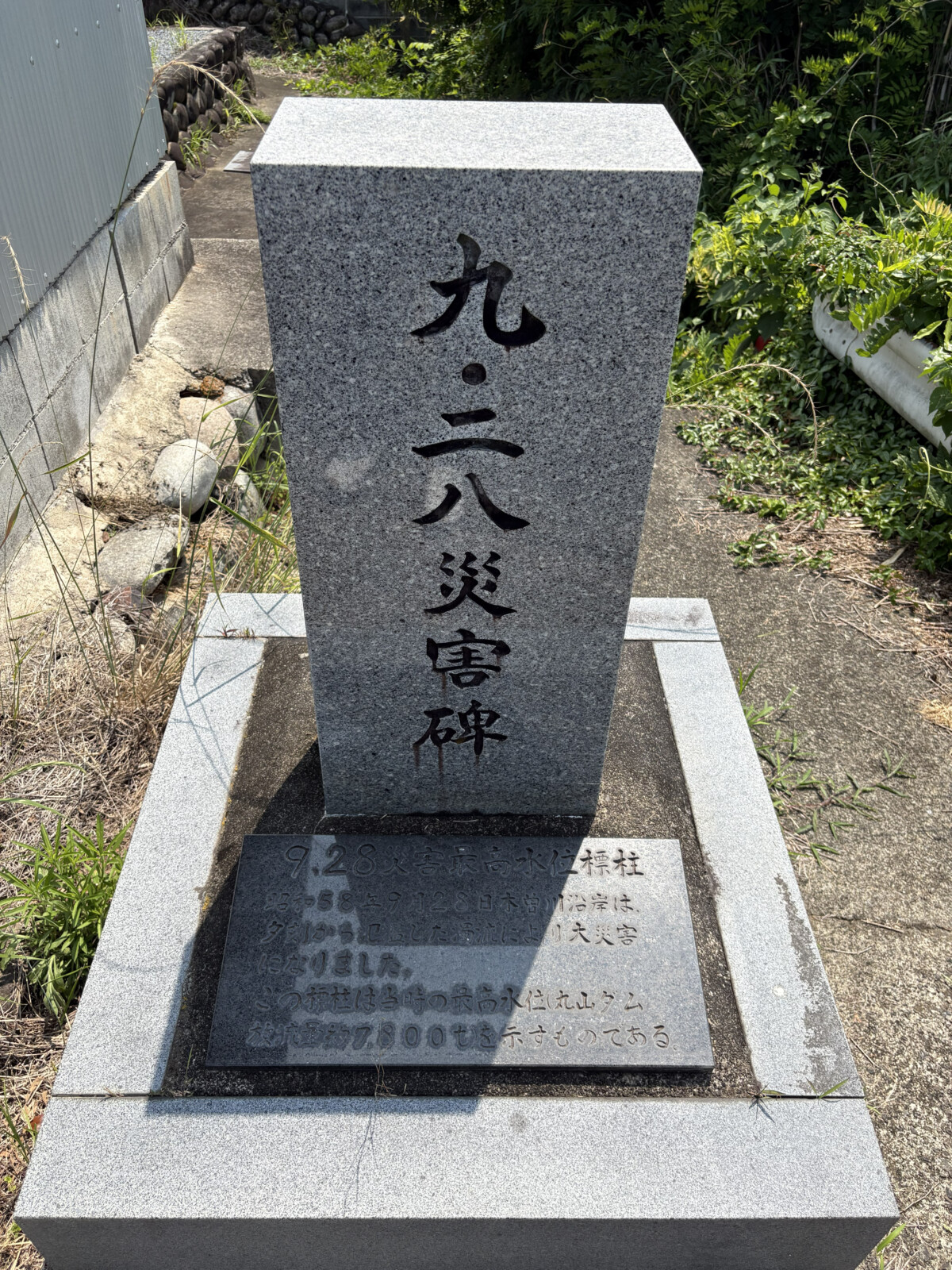
When Group A arrived in Yaotsu, it was time for the final stop of the visit: Kuramoto Yamada sake brewery.
On the walk from Kurose Port along Honmachi-dōri, everyone’s eyes were somehow drawn to the traditional confectionery shops along the way…
“Would it be alright if we just popped in for a moment?”
Before long, one by one, they were being drawn inside.
And when they emerged, every face was beaming.
The object of their desire was hōba mochi — rice cakes wrapped in magnolia leaves still attached to their branches. Kuri kinton (sweet chestnut paste) wasn’t yet in season, but everyone seemed to find their own favourite souvenir.
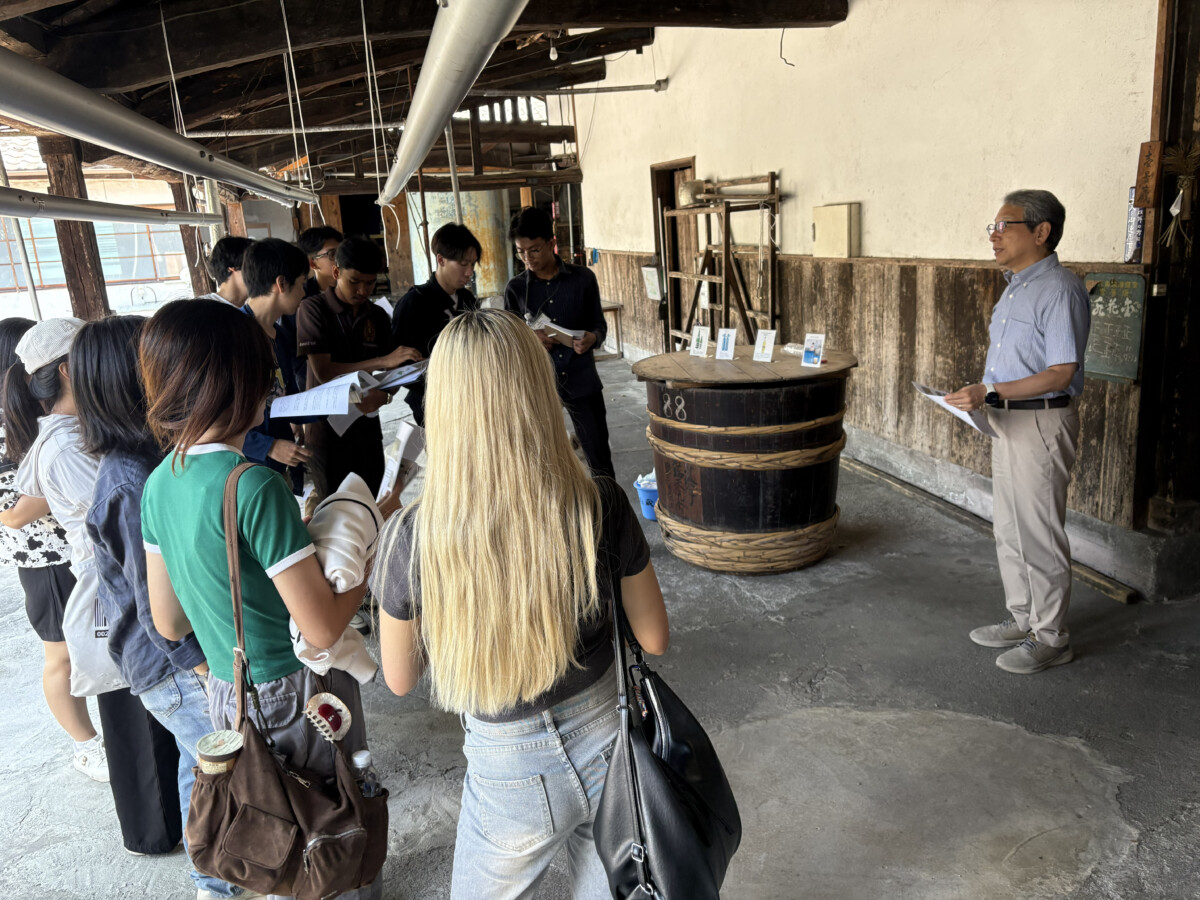
At last, the group arrived at Kuramoto Yamada.
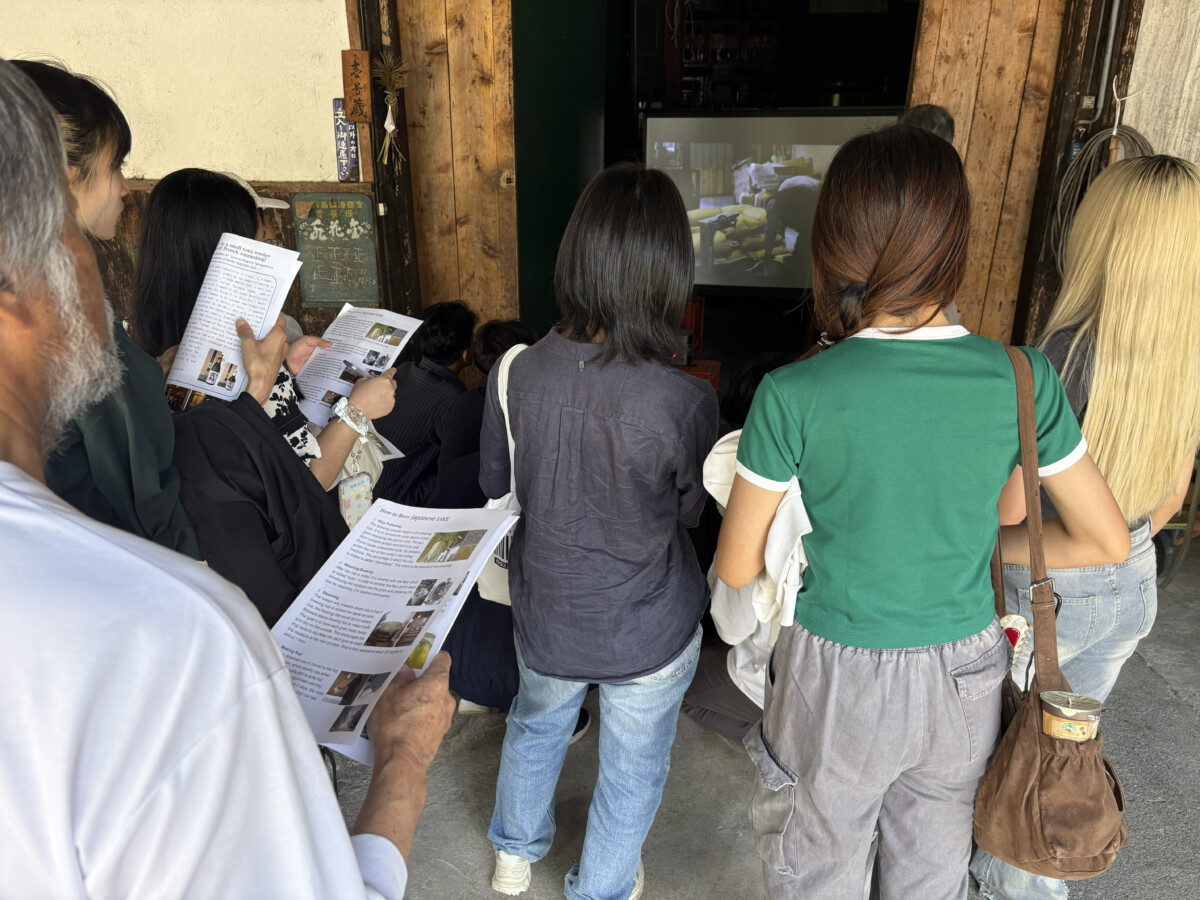
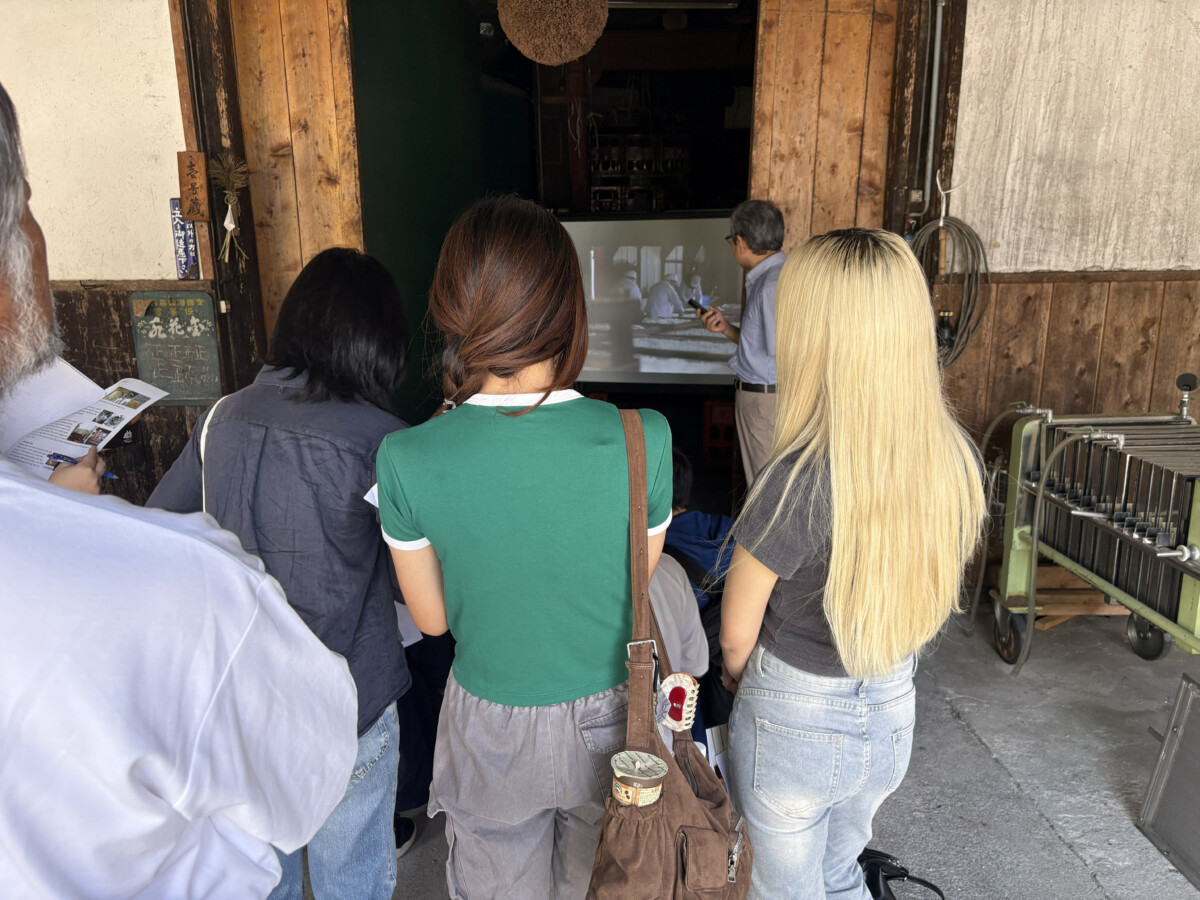
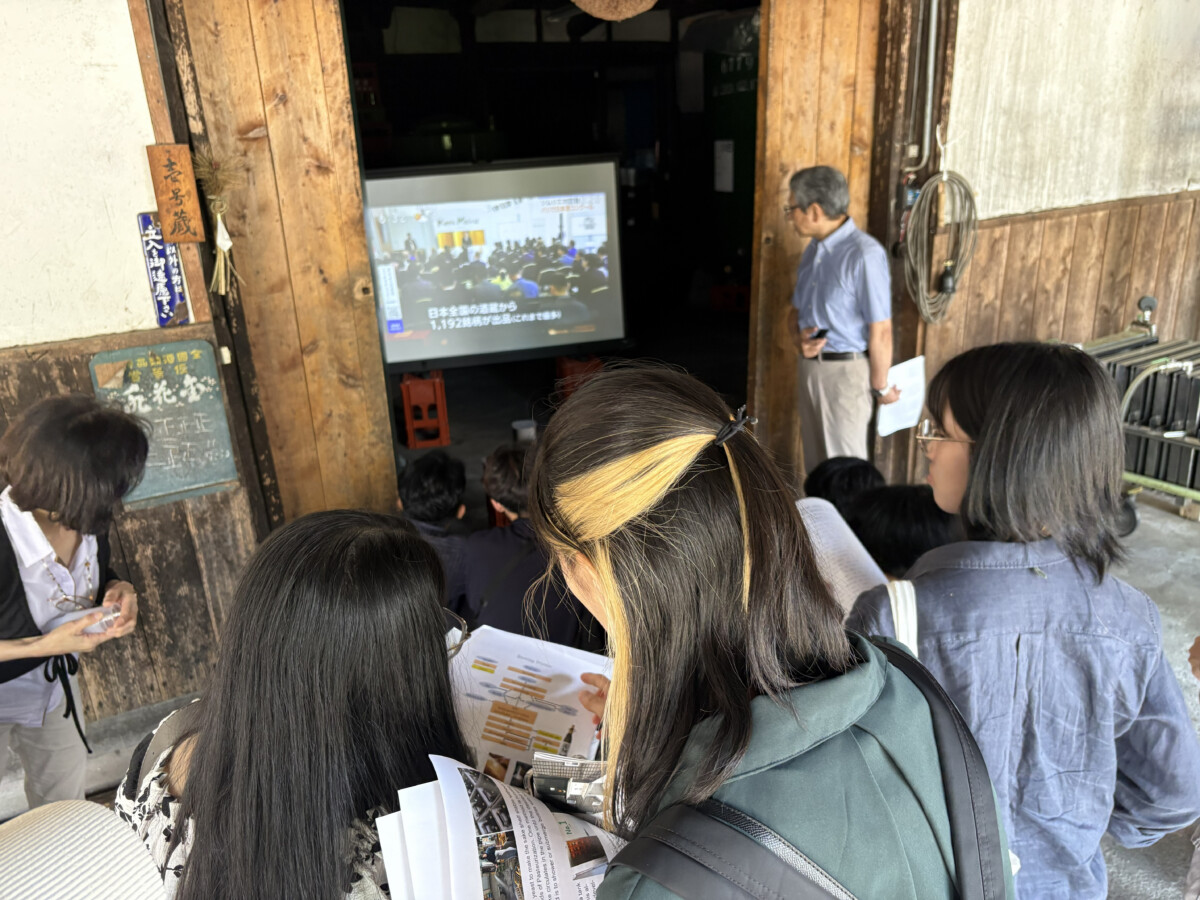
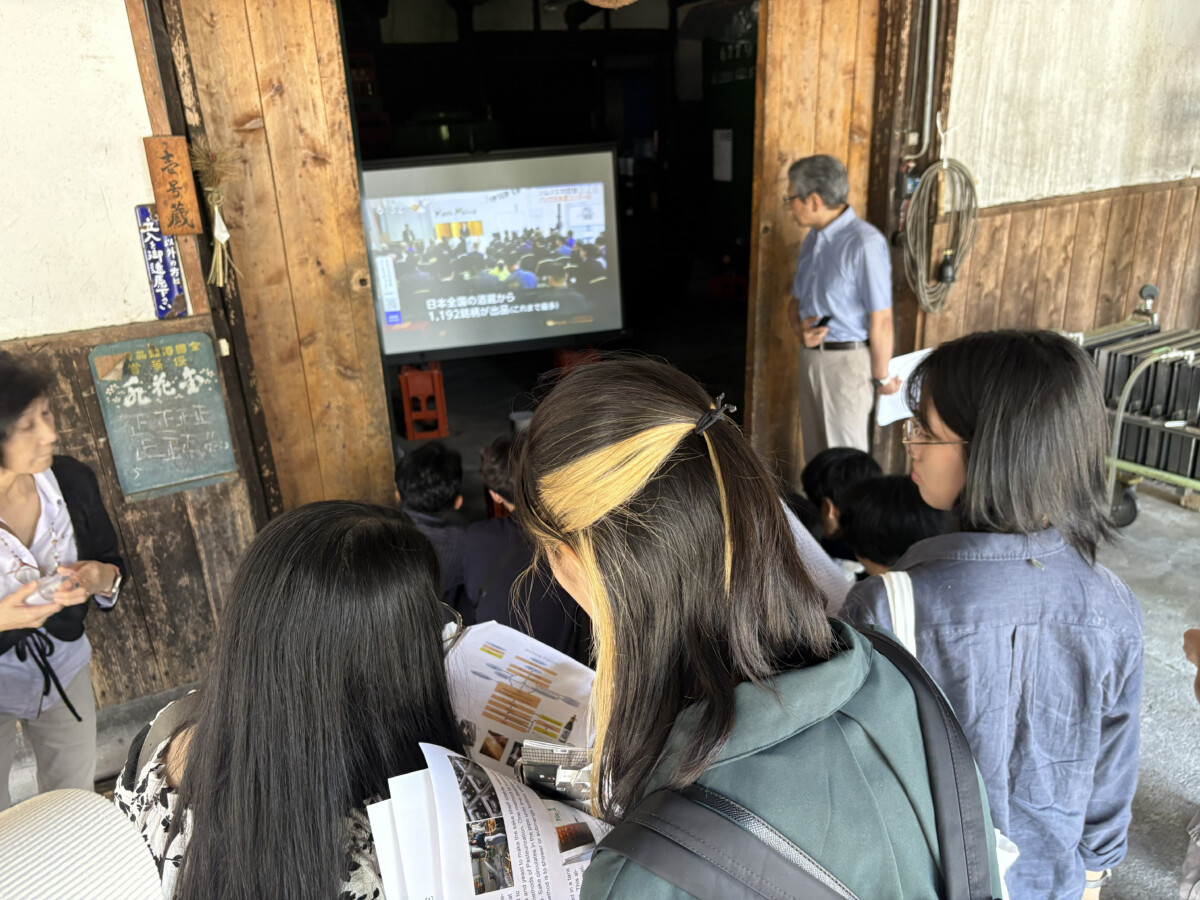
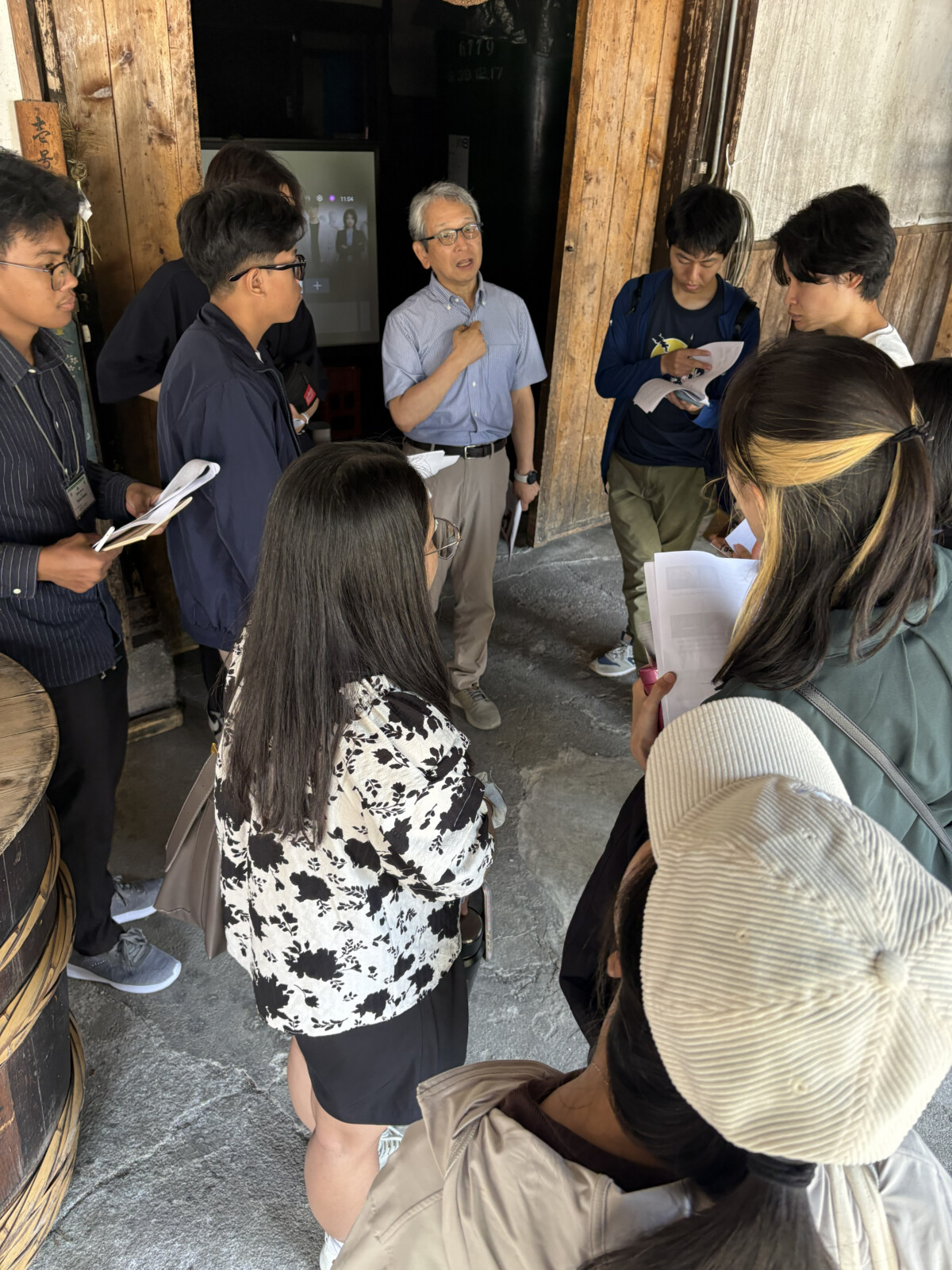
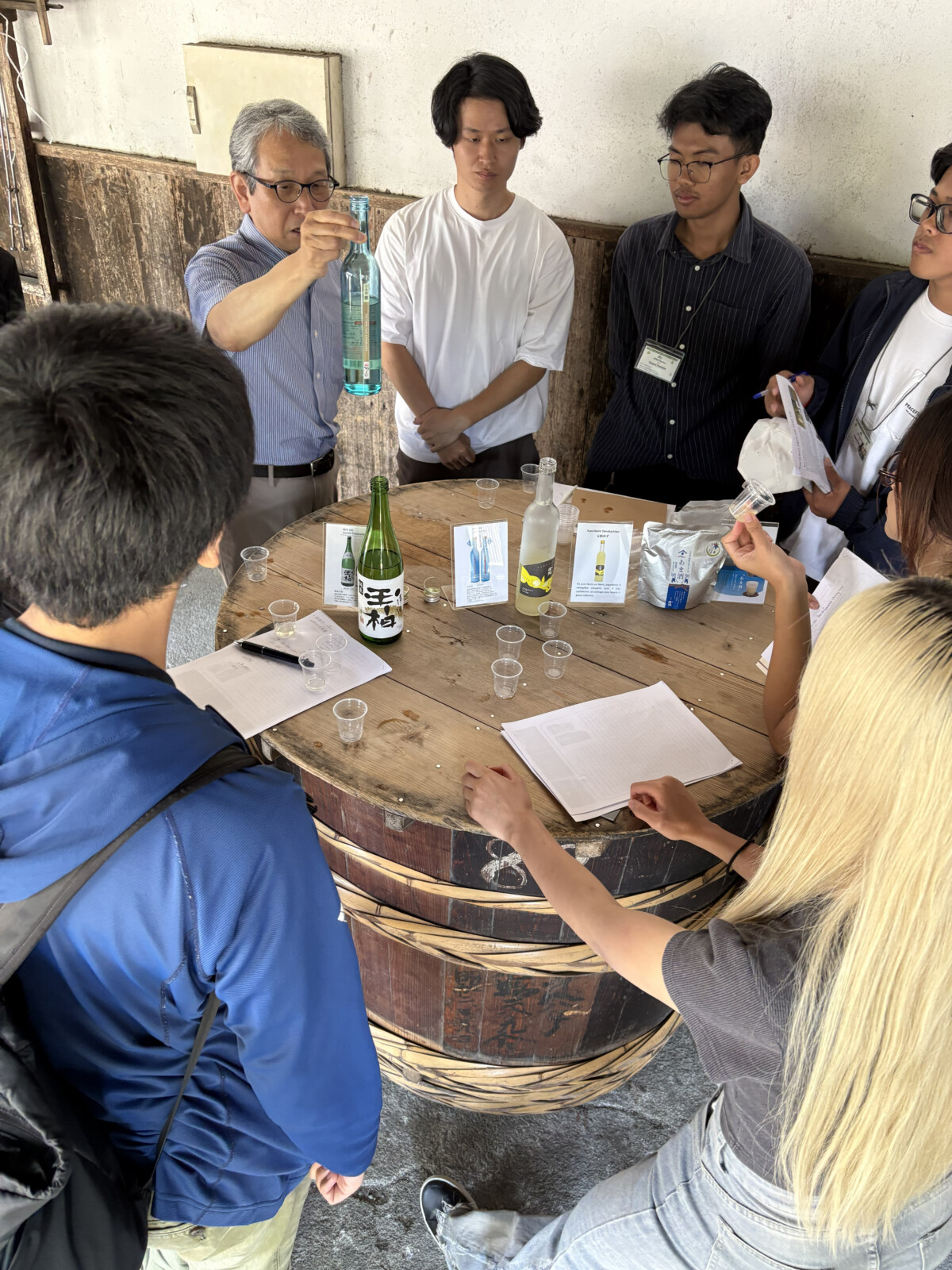
This time, they were given a special guided tour inside the brewery itself. The brewery had even prepared materials explaining the sake-making process in English — especially for the international students.
As it turned out, the Japanese students on the trip had been pulling double duty as interpreters throughout the program. Subjects like local festivals and regional history are notoriously difficult to translate into English, and they had been working hard at it the whole way through.
The moment they spotted the English materials, a collective sigh of relief went up:
“Thank goodness — saved!”
That said, the brewery’s owner added with a smile:
“The explanation itself will be in Japanese, so I’m counting on you!”
Everyone laughed — but then listened intently, rising to the challenge of interpreting on the spot.
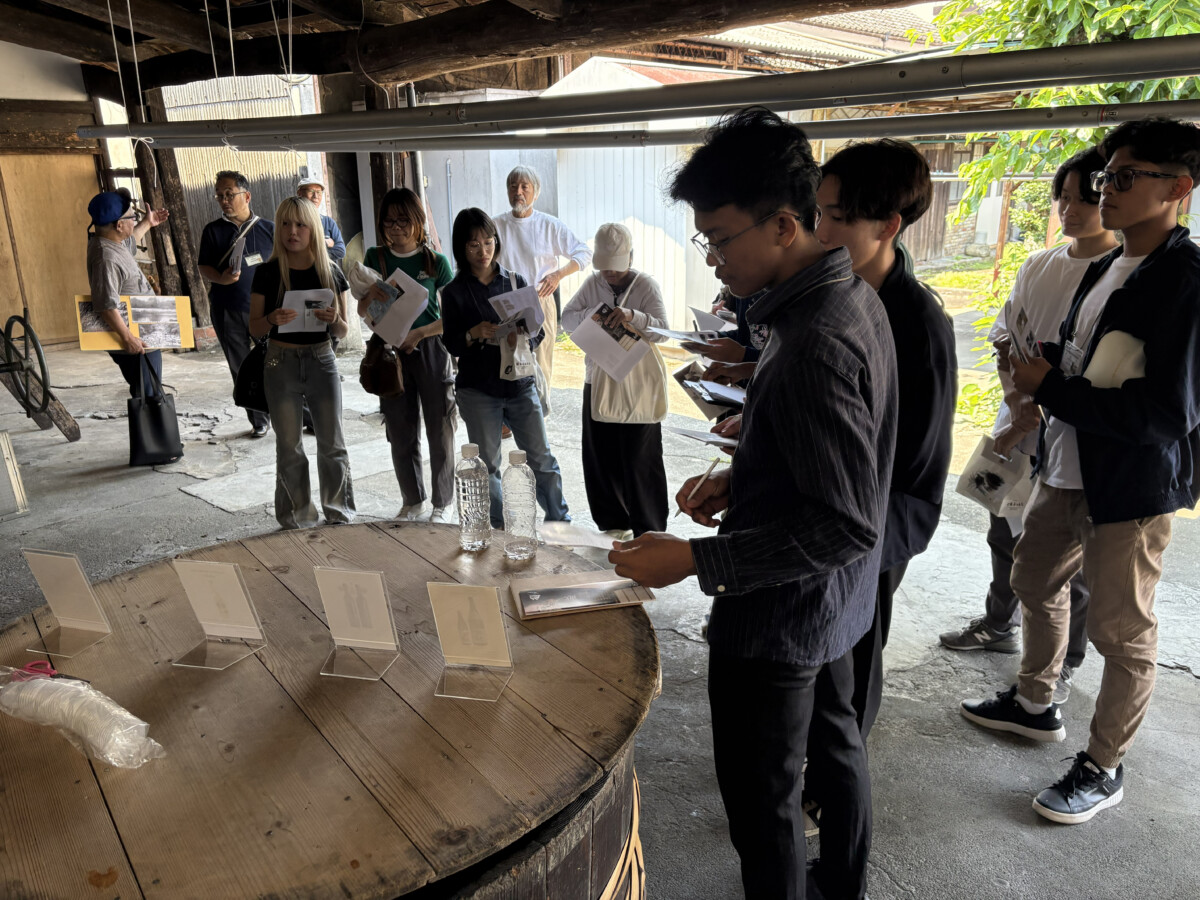
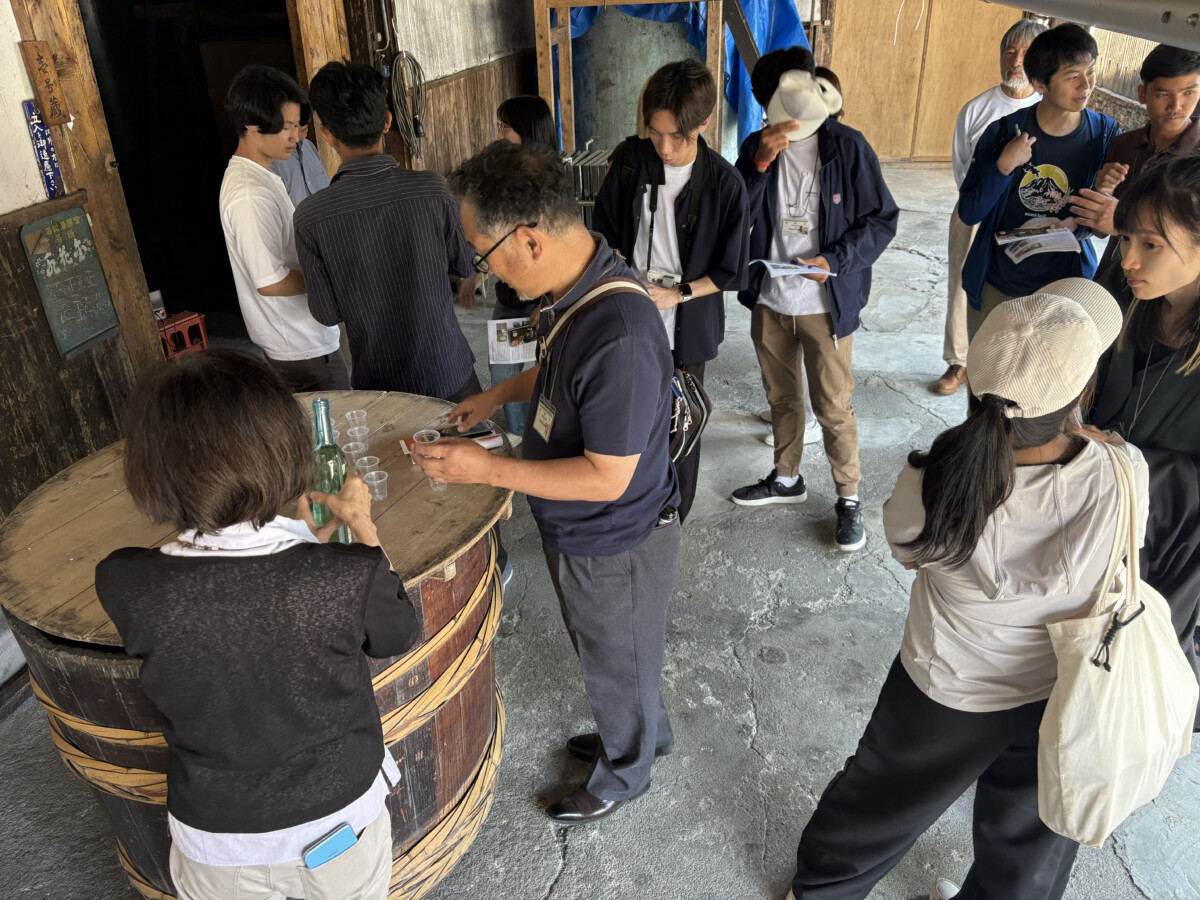
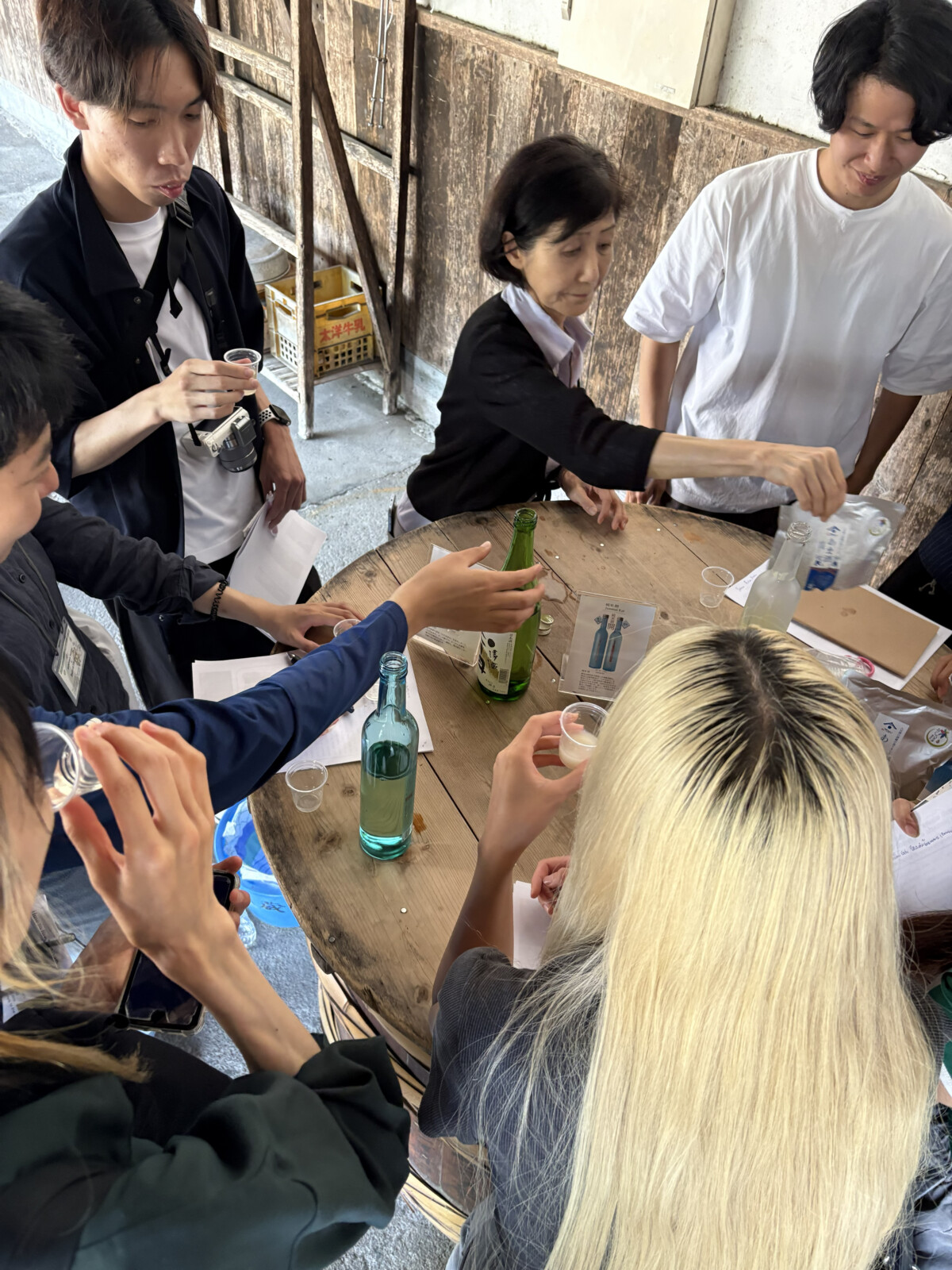
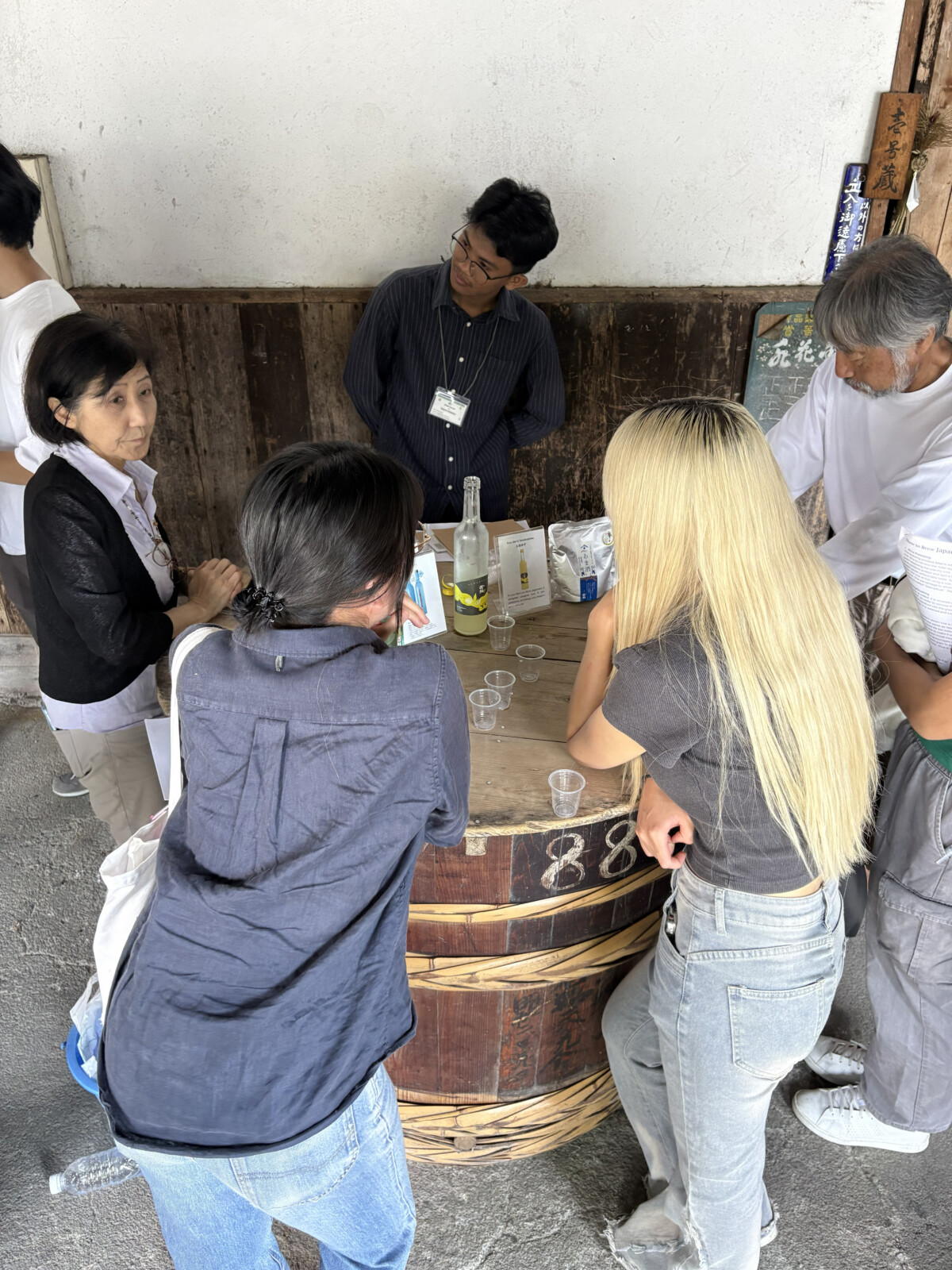
After watching a video about the sake-making process, it was time for the moment everyone had been waiting for: a sake tasting.
“Young people these days don’t really drink” — so the saying goes, but that certainly didn’t apply to this group. They sampled a range of sakes, each with different uses and flavour profiles, and the questions kept flying.
Afterward, the owner’s wife at Kuramoto Yamada shared this impression:
“You can really tell they’re agriculture students. Each one had their own unique perspective, and they were all so enthusiastic.”
🍶 🌾 🏭 👀 📚
After the brewery visit, the group picked up onigiri (rice balls) for lunch from Onigiri Stand COCOCA723 — a shop run by Yaotsu’s local revitalization cooperative members (chiiki okoshi kyōryokutai) — before boarding the bus.
Over the course of three days, participants experienced the history, culture, nature, food, and people of the Kiso River basin firsthand.
Three days packed with information and activity in equal measure.
To all the students — both Japanese and international — you were truly wonderful. Well done, and thank you!
Leave a Reply